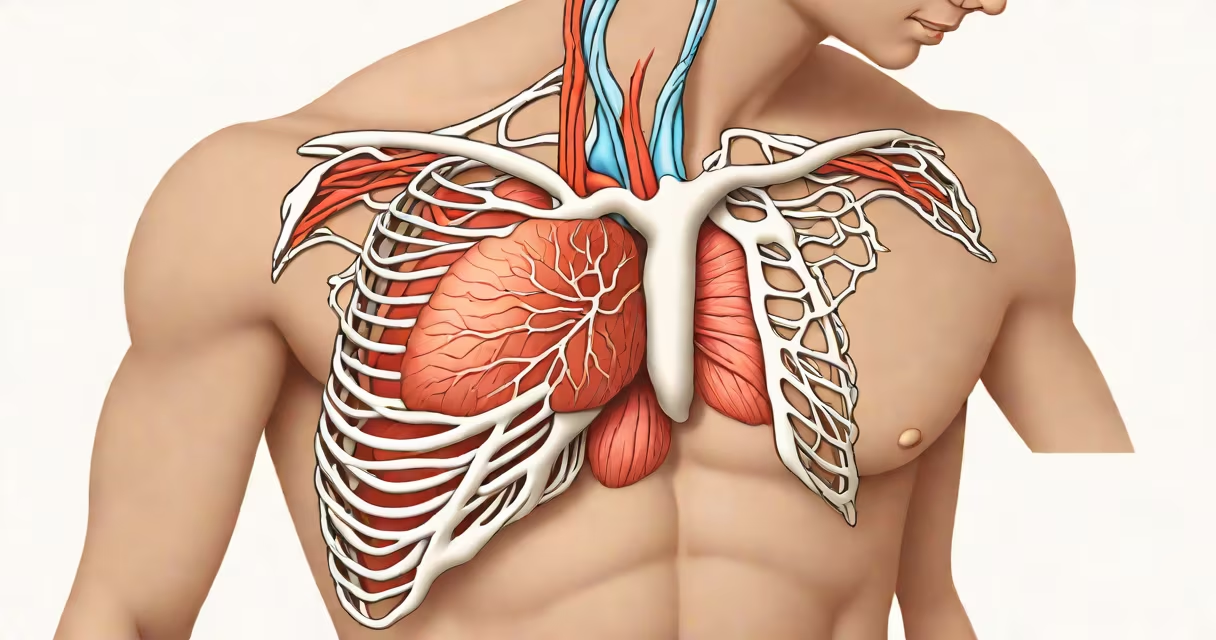
Left chest twitching refers to involuntary muscle contractions in the chest wall, often caused by minor muscle or nerve issues. These twitches typically feel like small, localized spasms under the skin.
Muscle twitches occur when nerves controlling muscles misfire. The chest wall contains several muscles, including the pectoralis major and intercostals, which can twitch due to overuse, stress, or electrolyte imbalances. Unlike heart-related pain, these twitches are usually superficial and move when you press on them.
Twitches fall into two broad categories:
Common triggers include caffeine, stress, magnesium deficiency, or excessive exercise. In rare cases, chronic twitching may signal nerve disorders like ALS, but these typically involve other symptoms.
Most twitching is harmless, but see a doctor if:
Many confuse twitching with heart-related pain. Unlike twitches, heart issues cause deep, squeezing pain that radiates to the arm or jaw. Twitches are superficial and move when pressed. Another myth is that twitching always signals dehydration; while possible, it's often stress or overuse.
I once experienced persistent left chest twitching after an intense workout. It felt like tiny, rolling spasms under the skin. A doctor confirmed it was benign fasciculation from overexertion and recommended rest, hydration, and magnesium supplements. The twitches resolved within days.
Most twitching resolves on its own. To ease symptoms:
Severe or persistent twitching may require medical evaluation for underlying conditions.