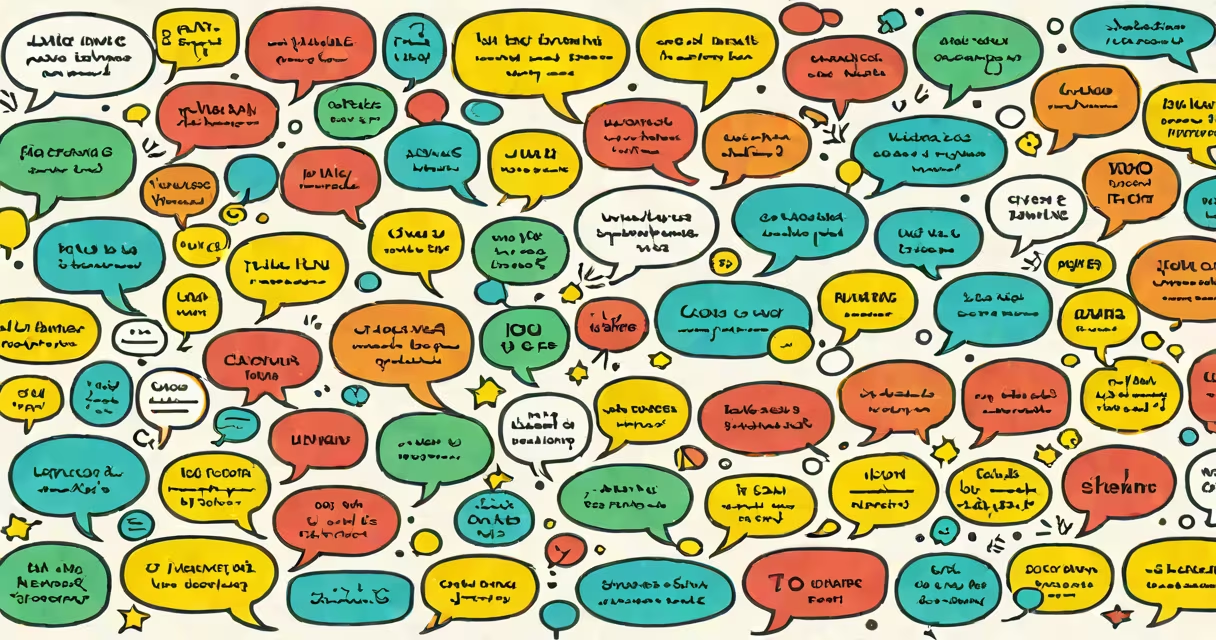
A list of famous idioms includes phrases like "break a leg," "hit the hay," and "spill the beans," which have figurative meanings different from their literal words.
Idioms are expressions unique to a language. Their meanings aren't obvious from the words themselves. For example, "kick the bucket" means "to die," not literally kicking a bucket. These phrases often reflect cultural values or historical contexts.
Idioms fall into categories based on their structure and origin:
People use idioms in everyday conversations, literature, and media to add color and express complex ideas concisely. For instance, "bite the bullet" means "to endure a painful situation bravely." This phrase originated during the Civil War when soldiers bit bullets to cope with pain during surgeries without anesthesia.
Many people confuse idioms with slang. While both are informal, slang changes quickly and is often regional. Idioms, however, remain stable over time. For example, "spill the beans" has been around since the early 1900s and means "to reveal a secret."
Another mistake is assuming idioms translate word-for-word. The French idiom "poser un lapin" means "to stand someone up," not literally placing a rabbit. Understanding idioms requires learning their meanings in context.
I once heard a non-native English speaker say they were "feeling under the weather" because they thought it meant being physically below the weather. Clarifying that it means feeling unwell helped them grasp the idiom's true meaning.
Consider the idiom "hit the sack." Literally, it suggests hitting a sack, but figuratively, it means "to go to bed." For example, "After a long day at work, I can't wait to hit the sack." This idiom likely comes from the early 20th century when people slept in sacks filled with straw or feathers.
| Idioms | Phrasal Verbs |
|---|---|
| Figurative meanings, e.g., "costs an arm and a leg" | Literal meanings, e.g., "turn off the light" |
| Meanings differ from the words | Meanings align with the words |
Idioms enrich communication by allowing speakers to convey detailed ideas efficiently. They also offer insights into a culture's history and values. For example, "the ball is in your court" reflects the influence of sports on English idioms, originating from tennis. Understanding these phrases enhances both language skills and cultural awareness.