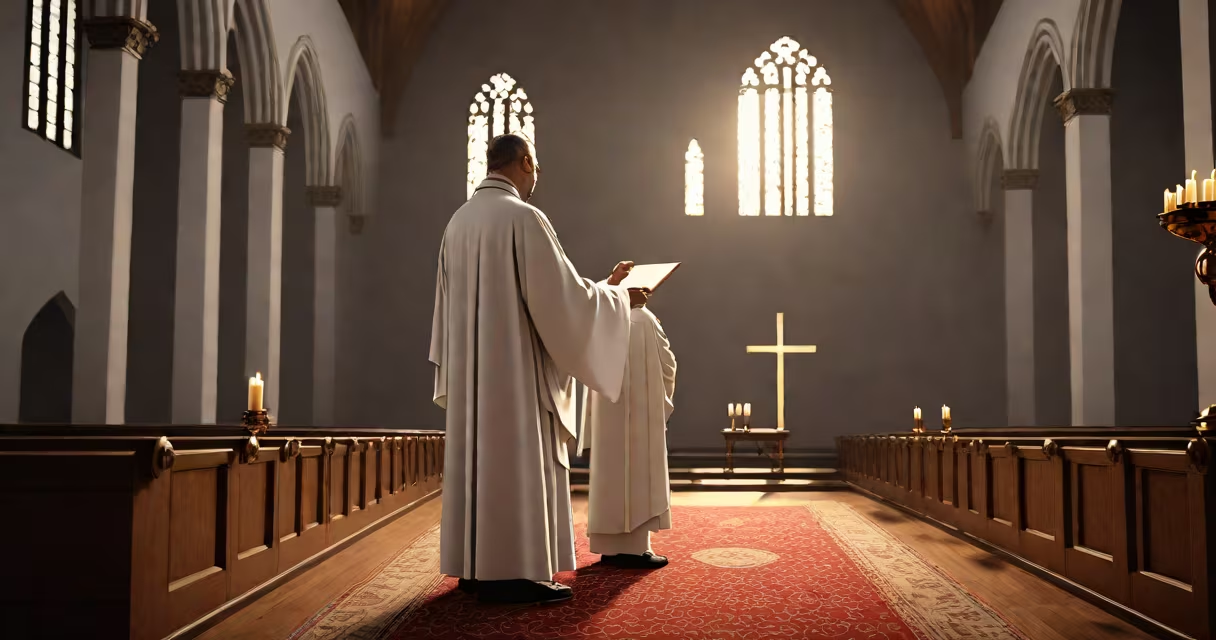
The meaning of the word consecration is the act of making something sacred or dedicating it to a holy purpose, often through a formal ceremony. This process transforms ordinary objects, spaces, or individuals into vessels for divine service.
Consecration typically involves a ritual performed by a religious leader, such as a priest or minister. The ceremony may include prayers, blessings, and symbolic gestures to mark the dedication. For example, during a Catholic Mass, bread and wine are consecrated to become the body and blood of Christ. This transformation is believed to occur through the power of God and the authority of the priest.
Consecration can apply to various elements within religious practices:
| Type | Description | Example |
|---|---|---|
| Objects | Dedicating items for sacred use | A chalice used in communion |
| Spaces | Setting apart locations for worship | A church building |
| Individuals | Devoting people to religious service | A nun taking her vows |
Many people confuse consecration with simple dedication or blessing. While all involve setting something aside for special use, consecration implies a deeper, spiritual transformation. For instance, a housewarming gift might be dedicated to a new home, but a church altar is consecrated, signifying its sacred role in worship.
Another misconception is that consecration is exclusive to Christianity. While it plays a central role in Christian liturgies, similar concepts exist in other religions. In Hinduism, for example, temples and idols undergo a pratishta ceremony to invoke the presence of the deity.
During a visit to a local monastery, I witnessed the consecration of a new chapel. The abbot led a procession, carrying the sacred elements while chanting prayers. The atmosphere was solemn, emphasizing the significance of the event. This ritual underscored how consecration transcends mere symbolism, embedding sacredness into the very fabric of the space.