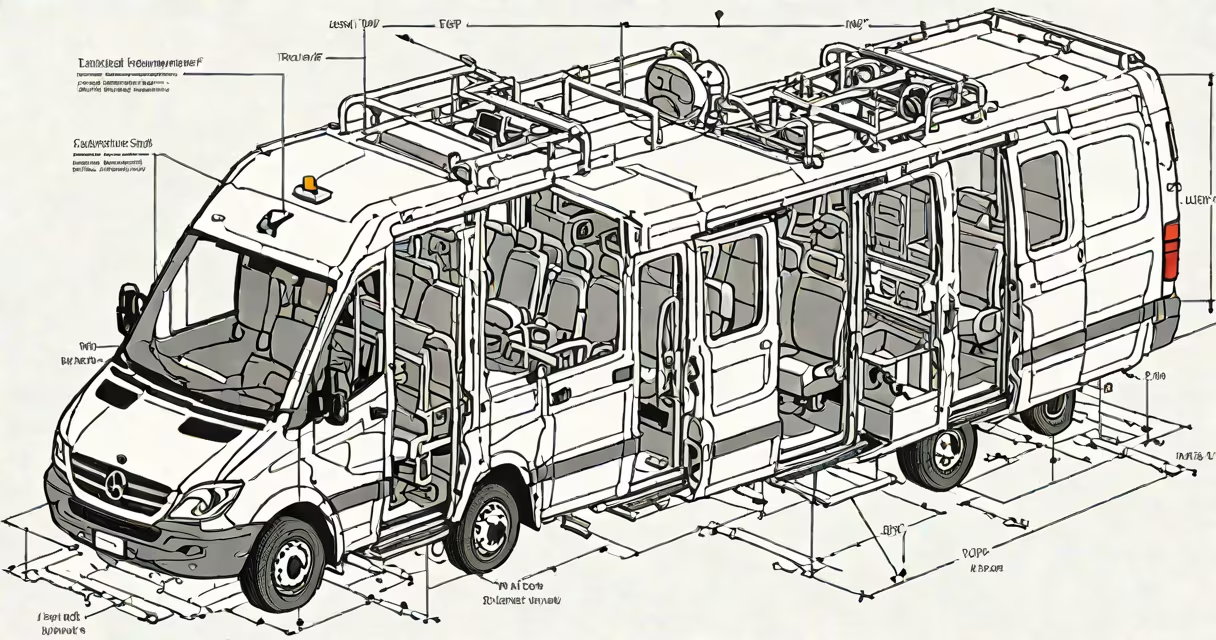
Medical transportation non emergency refers to scheduled, non-urgent rides for patients who need assistance getting to medical appointments but don't require emergency care. These services provide wheelchair-accessible vehicles and trained staff to ensure safe transit.
Most providers operate through a scheduling system where patients or caregivers request transportation in advance. Vehicles are equipped with features like ramps, lifts, and secure seating for wheelchairs. Drivers receive training in patient assistance and basic first aid.
For example, a senior with mobility issues might schedule a ride to their weekly physical therapy appointment. The transportation service would arrive at the scheduled time, assist the patient into the vehicle, and transport them safely to their destination.
| Type | Description | Typical Users |
|---|---|---|
| Ambulatory Vehicle Transport | Vans or cars for patients who can walk but need assistance | Seniors, post-surgery patients |
| Wheelchair Accessible Transport | Vehicles with ramps and secure seating | Patients using wheelchairs |
| Stretcher Transport | Vehicles equipped for patients who must remain lying down | Post-operative patients, those with severe mobility limitations |
Non-emergency medical transport serves several key purposes in healthcare:
According to the American Ambulance Association, these services reduce preventable hospital readmissions by ensuring patients can access necessary follow-up care.
Many people confuse non-emergency medical transport with emergency ambulance services. While both involve transporting patients, non-emergency services focus on scheduled, routine trips rather than life-threatening situations. Another misconception is that these services are always covered by insurance - coverage varies by plan and typically requires prior authorization.
I once helped coordinate non-emergency transport for a neighbor recovering from knee surgery. The service arrived promptly, assisted with the wheelchair transfer, and even helped position my neighbor comfortably in the waiting room - details that made a significant difference in their recovery experience.
The cost of non-emergency medical transport varies by provider and location, typically ranging from $30-$150 per trip. Medicare Part B covers medically necessary non-emergency ground ambulance transport when prior approval is obtained. Private insurers may cover these costs as well, but policies differ.
For patients paying out-of-pocket, some transportation services offer sliding scale fees based on income., some nonprofits and community organizations provide free or low-cost transportation options for medical appointments.