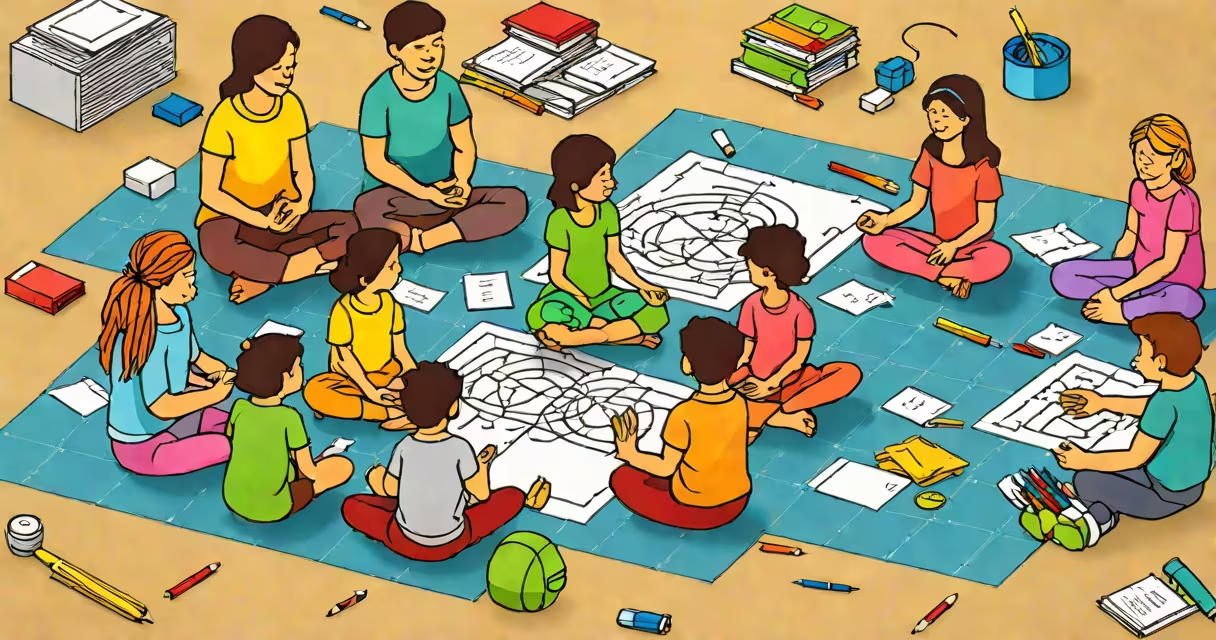
Mindfulness exercises for kids are simple, age-appropriate activities designed to teach children how to focus their attention, regulate emotions, and develop self-awareness. These practices often involve breathing techniques, guided imagery, and sensory awareness games.
Regular mindfulness practice helps kids manage stress, improve concentration, and build emotional resilience. Research from the National Institutes of Health shows that mindfulness can reduce anxiety and aggression in children. Schools worldwide now integrate these exercises into daily routines to improve learning environments.
The most common types of mindfulness exercises for kids include:
Kids often find it challenging to sit still or focus for extended periods. To make mindfulness exercises for kids effective, keep sessions short (5-10 minutes) and incorporate movement or play. For example, a "mindful walk" where children focus on each step or a "mindful eating" exercise where they describe the taste and texture of a snack.
I've seen this firsthand while teaching mindfulness to a group of 7-year-olds. We used a "glitter jar" technique-shaking a jar filled with water and glitter, then watching the glitter settle as we took deep breaths. The kids loved it, and it became a go-to tool for calming down during transitions.
| Aspect | For Kids | For Adults |
|---|---|---|
| Duration | 5-10 minutes | 10-30 minutes |
| Focus | Play-based, sensory | Stillness, silence |
| Language | Simple, visual | Abstract, conceptual |
| Examples | Balloon breaths, mindful walks | Seated meditation, body scans |
Mindfulness exercises for kids work best when integrated into daily routines. Teachers use them at the start of class to center students, while parents may use them before bedtime to promote relaxation. These exercises are especially helpful during transitions, such as moving instruction, or before stressful events like tests.
Many people assume mindfulness requires sitting quietly for long periods, which isn't true for kids. Movement-based exercises, like yoga poses or stretching, also count. Another myth is that mindfulness is only for children with behavioral issues-it benefits all kids by improving focus and emotional regulation.
To introduce mindfulness exercises for kids, start with one simple activity, like "smelling the flower, blowing out the candle," where children inhale deeply and exhale slowly. Gradually introduce more techniques as they become comfortable. The key is consistency-short, frequent practices work better than occasional long sessions.