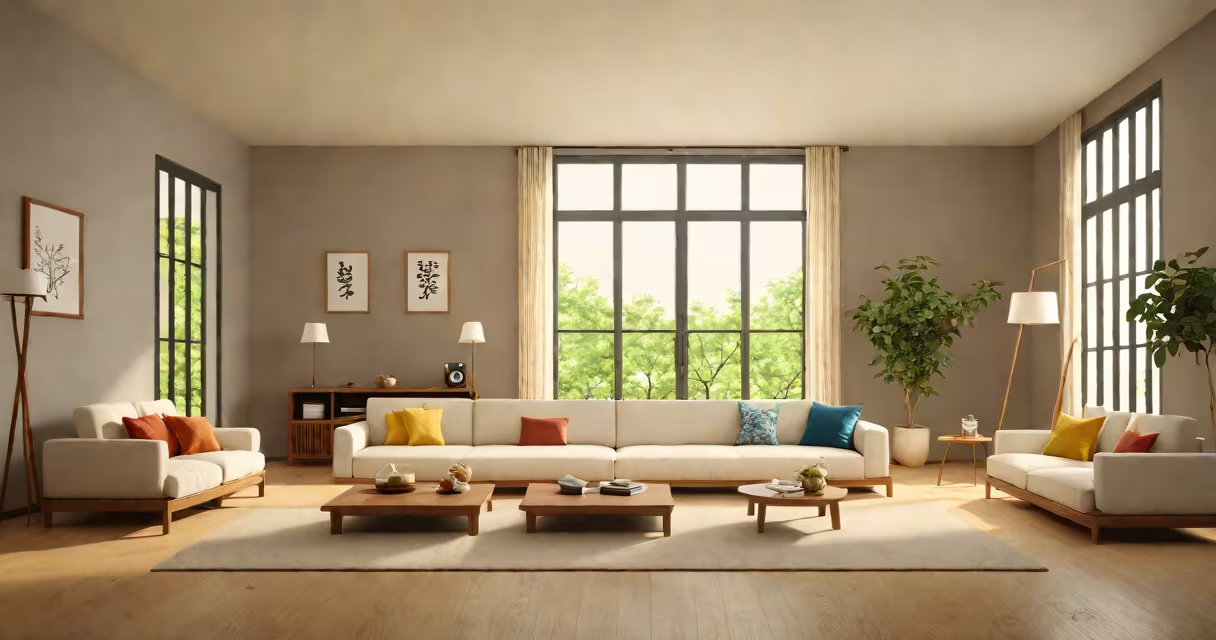
A my family lounge is a dedicated space in Korean homes designed for family gatherings, relaxation, and bonding. It typically features floor seating, low tables, and minimal furniture to encourage close interaction.
The lounge serves as the heart of the home, where family members spend time together watching TV, eating meals, or simply conversing. Unlike Western living rooms with couches and chairs, Korean lounges often have ondol heating systems built into the floor, providing warmth during colder months.
Most Korean lounges share these key elements:
The lounge reflects the importance of family unity in Korean culture. It's where families watch Korean dramas together, host gatherings, and maintain strong interpersonal connections. For example, in the popular K-drama Crash Landing on You, characters often gather in the lounge to discuss their plans and emotions, highlighting its role as a space for both casual and meaningful interactions.
Many people confuse a my family lounge with a typical living room. However, unlike Western living rooms that may prioritize aesthetics or entertainment systems, Korean lounges focus on functionality and fostering family bonds., while some may think it's only for formal occasions, it's actually used daily for various activities.
Another misconception is that the lounge is strictly traditional. Modern versions may incorporate Western-style furniture while retaining the core principles of closeness and simplicity. For instance, some households might include a few chairs alongside floor cushions to accommodate different preferences.
I've observed this firsthand while visiting friends in South Korea. Even in apartments with limited space, they always made sure to have a designated area for the family to gather, reinforcing the cultural significance of these spaces.