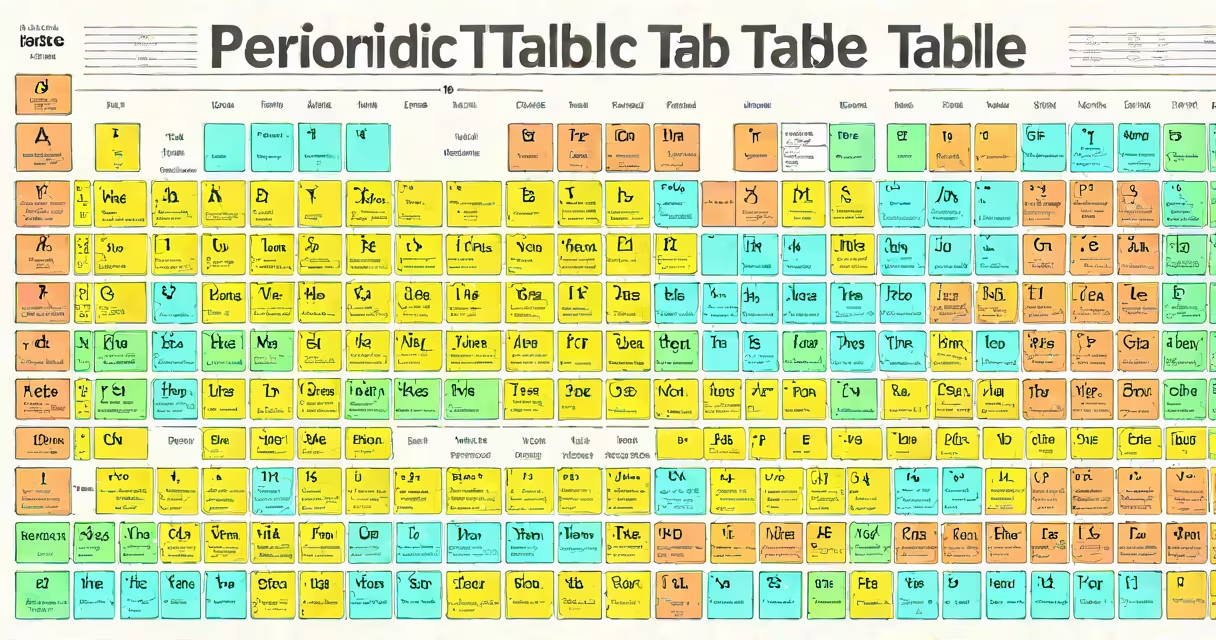
The periodic table organizes elements into horizontal rows called periods, numbered based on their atomic numbers. These periods reflect recurring patterns in element properties.
Each period begins with an element whose outermost electron shell is being filled and ends when that shell contains its maximum number of electrons. For example, period 1 contains only hydrogen and helium because their single electron shell holds just 2 electrons max.
As you move left to right across a period, atomic numbers increase by 1, and elements show gradual changes in properties like electronegativity and atomic radius. This happens because each successive element has one more proton and electron than the last.
| Period Number | Elements | Electron Shells Filled |
|---|---|---|
| 1 | Hydrogen, Helium | 1 |
| 2 | Lithium to Neon | 2 |
| 3 | Sodium to Argon | 3 |
| 4 | Potassium to Krypton | 4 |
| 5 | Rubidium to Xenon | 5 |
| 6 | Cesium to Radon | 6 |
| 7 | Francium to Oganesson | 7 |
Periods help predict element behavior. For instance, all group 1 elements (like sodium and potassium) react vigorously with water, but each period's group 1 element reacts more violently than the one above it. This pattern repeats across other groups too.
Periods also explain why some elements form similar compounds. For example, lithium (period 2) and sodium (period 3) both create oxides with oxygen, but sodium's oxide is more reactive.
Many confuse periods with groups. Groups are vertical columns (like group 1 for alkali metals), while periods are horizontal rows. Unlike groups, periods don't have special names or consistent properties across them.
Another mistake is assuming all periods have the same number of elements. Period 1 has 2, period 2 has 8, and period 7 has 32, showing no fixed pattern.
When I taught chemistry, I used M&M's to model periods. Each color represented an element, and students placed them in rows (periods) based on their electron shells. This visual aid clarified how periods group elements with similar electron configurations.