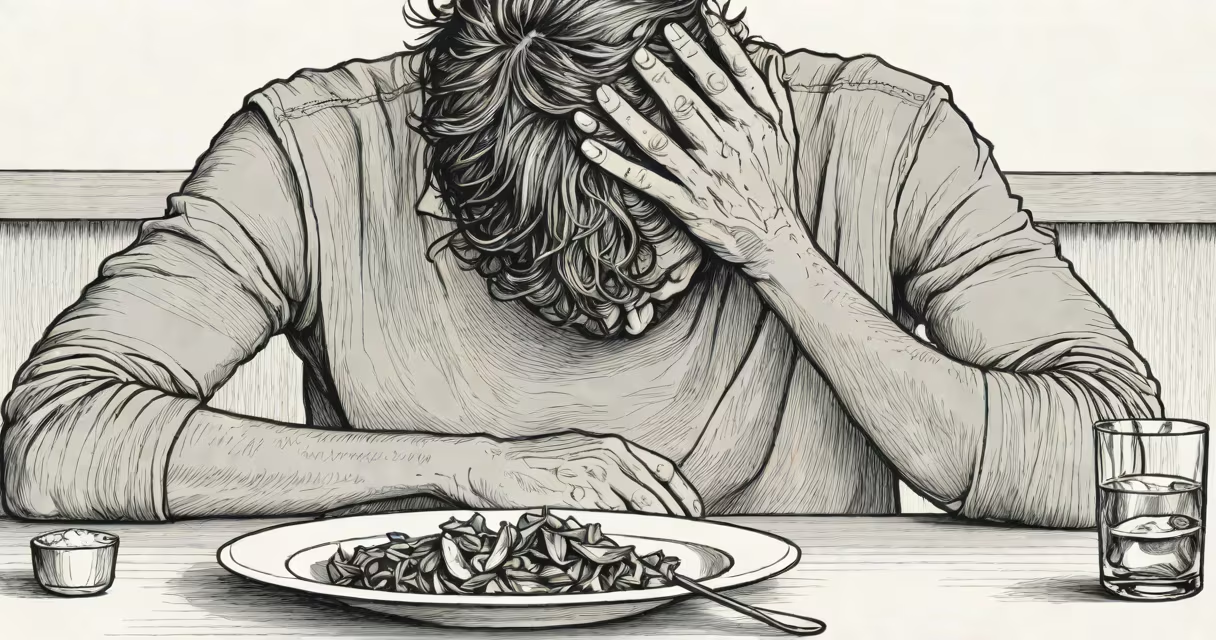
Nausea after eating dinner is a common issue caused by overeating, food intolerances, or digestive disorders. It typically occurs within minutes to hours after finishing a meal.
When you eat, your stomach stretches and signals the brain to regulate digestion. If the stomach is overloaded or irritated, it can trigger nausea. The vagus nerve, which connects the brain to the digestive tract, plays a key role in this response.
The most frequent triggers include:
Many people confuse nausea after eating with general indigestion or heartburn. However, nausea specifically involves the sensation of needing to vomit, whereas heartburn is a burning sensation in the chest. Bloating and nausea after eating often occur together but are distinct issues.
To avoid nausea after dinner, try these strategies:
In my experience, keeping a food diary helped identify specific triggers. For example, spicy foods and large meals often led to nausea, so adjusting my diet accordingly made a noticeable difference.
If nausea after eating dinner is frequent and severe, accompanied by vomiting, abdominal pain, or weight loss, seek medical attention. These symptoms could indicate conditions like peptic ulcers or gallbladder disease. Nausea after eating and fatigue together may signal more serious health concerns.
Understanding the causes and taking preventive measures can reduce episodes of nausea after eating dinner.