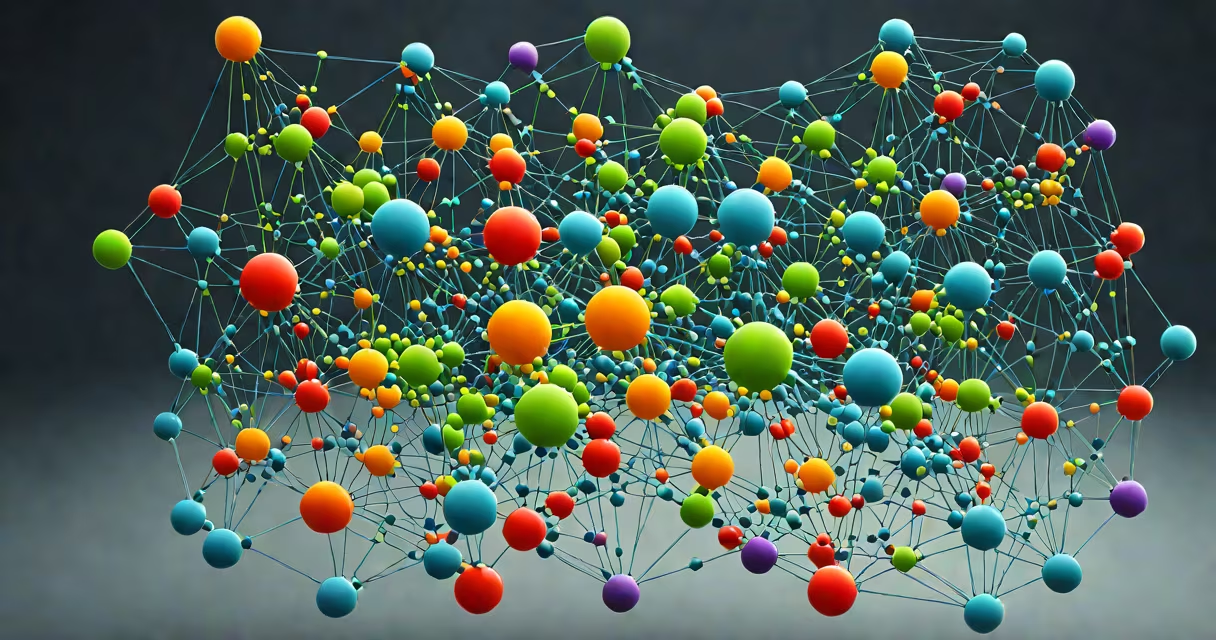
A neo4j graph database is a type of database management system that stores data as nodes, relationships, and properties, optimized for representing and traversing complex networks of interconnected entities. Unlike traditional relational databases, which organize data into tables, Neo4j excels at querying deeply connected data.
Neo4j uses a property graph model where data is represented as nodes (entities) and relationships (connections between entities). Each node and relationship can have key-value pairs called properties. This structure allows for efficient traversal of connections, making it ideal for scenarios involving complex relationships, such as social networks, recommendation engines, and fraud detection.
For example, in a social network, users are nodes, and their friendships are relationships. Properties might include user attributes like age or location. A query could traverse these relationships to find friends of friends within a specific geographic area.
The core components of Neo4j include:
Neo4j is particularly useful in applications requiring deep relationship analysis. Common use cases include:
For instance, a retail company might use Neo4j to analyze customer purchase histories and recommend complementary products based on past buying patterns.
Many people confuse Neo4j with other types of databases, such as relational databases or document databases. While relational databases excel at structured data and document databases handle semi-structured data, Neo4j is specifically designed for highly interconnected data.
Another misconception is that Neo4j cannot handle large-scale data. However, Neo4j supports clustering and can scale horizontally to manage massive datasets efficiently.
Neo4j uses Cypher, a declarative query language designed specifically for graph databases. Cypher allows developers to express complex queries in a readable and intuitive syntax. For example, a Cypher query to find all friends of a user named Alice might look like this:
MATCH (alice:Person {name: 'Alice'})-[:FRIENDS_WITH]->(friend)
RETURN friend.name
This query matches the pattern where Alice is connected to her friends via the "FRIENDS_WITH" relationship and returns the names of those friends.
A neo4j graph database offers a useful solution for managing and querying interconnected data. Its ability to efficiently traverse complex relationships makes it invaluable in various applications, from recommendation engines to fraud detection. By using Cypher and its property graph model, Neo4j provides a solid tool for handling the challenges of modern data analysis.