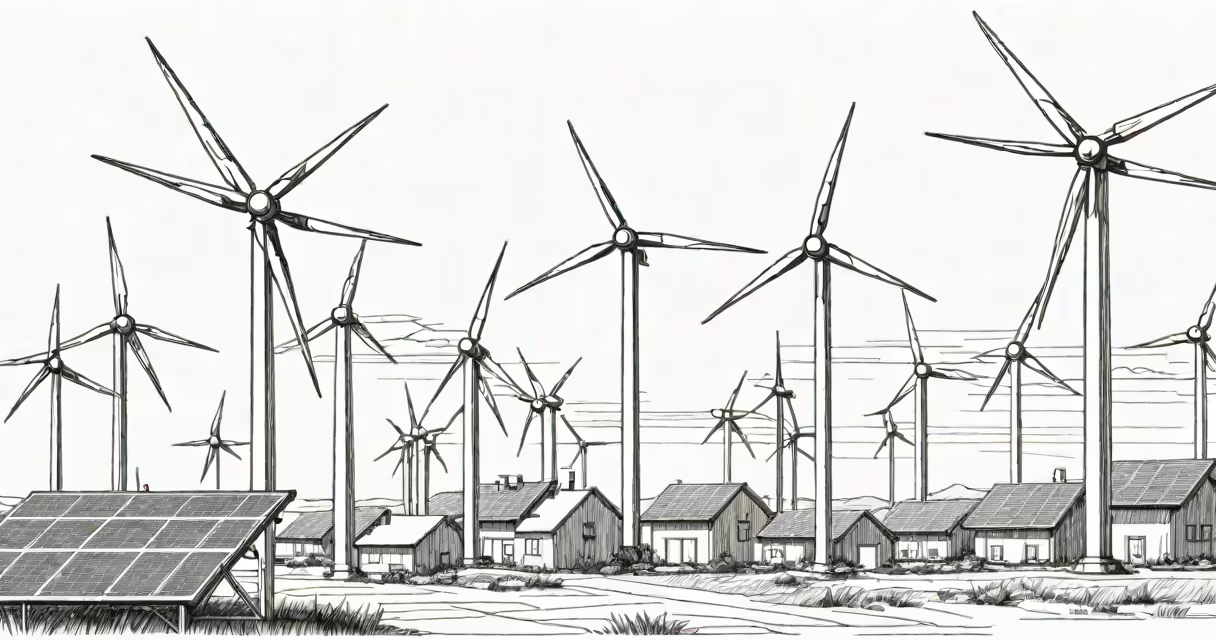
New and renewable energy refers to power generated from natural sources that replenish themselves over time, such as sunlight, wind, and biomass. Unlike fossil fuels, these sources emit little to no greenhouse gases, making them important for combating climate change.
Renewable energy harnesses natural processes to generate electricity. Solar panels convert sunlight into electricity using photovoltaic cells, while wind turbines change wind energy into mechanical power, which is then converted into electrical energy. Biomass energy, another form of renewable energy, burns organic material to produce heat and electricity.
The most common types of renewable energy include:
Renewable energy is essential for reducing carbon emissions and mitigating climate change. According to the International Renewable Energy Agency (IRENA), renewable energy could supply 86% of global electricity by 2050 if properly scaled up. This transition is critical for meeting the Paris Agreement's goal of limiting global warming to 1.5°C above pre-industrial levels.
Renewable energy promotes energy independence and reduces reliance on finite fossil fuel resources. It also supports economic growth by creating jobs in manufacturing, installation, and maintenance of renewable energy technologies.
One common misconception is that renewable energy is always reliable. However, solar and wind energy are intermittent and depend on weather conditions. To address this, energy storage solutions like batteries and pumped hydro storage are increasingly being used to store excess energy for use during periods of low production.
Another myth is that renewable energy is too expensive. In reality, the cost of renewable energy has decreased over the years. According to the International Energy Agency (IEA), the cost of solar photovoltaic (PV) modules fell by about 80% between 2010 and 2020. Wind energy costs have also dropped by around 40% during the same period.
In contrast, renewable energy sources are inexhaustible and can be replenished naturally. For example, the sun provides enough energy in one hour to power the entire world for a year. Similarly, wind and water cycles are continuous, providing a steady supply of energy.
Despite its benefits, renewable energy faces challenges such as land use, environmental impact, and grid integration. Large-scale solar and wind farms require significant land areas, which can lead to habitat destruction and other environmental concerns. To mitigate these impacts, careful planning and the use of multi-use sites, such as floating solar panels on reservoirs, can be employed.
Grid integration is another challenge, as renewable energy sources are often located far from population centers. Upgrading transmission infrastructure and investing in smart grid technologies can help integrate renewable energy into existing grids more efficiently.
New and renewable energy is a important component of a sustainable future. By harnessing the power of natural sources, we can reduce our dependence on fossil fuels, lower carbon emissions, and create a cleaner, healthier planet for future generations.