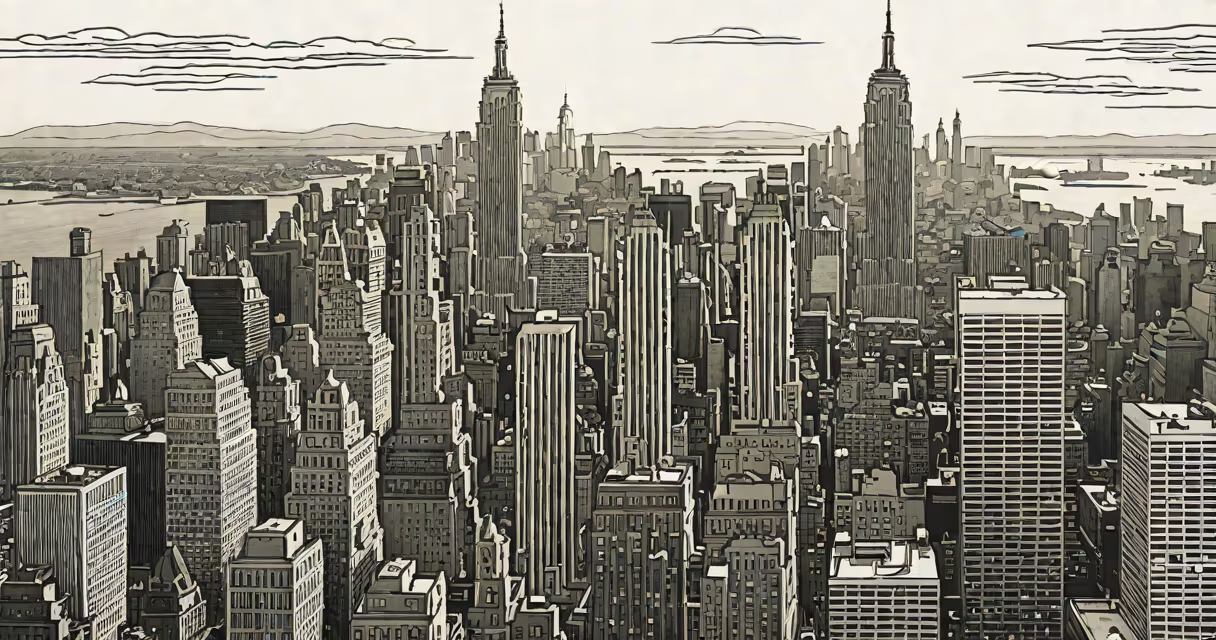
New York offers world-famous landmarks, vibrant neighborhoods, and cultural institutions. These destinations attract millions yearly, from Times Square's bright lights to Central Park's tranquil paths.
New York's appeal lies in its diversity. The city blends historic sites, modern architecture, and cultural hubs. Visitors explore museums, parks, and iconic skyscrapers. Each area offers unique experiences, from Broadway shows to ethnic enclaves.
The city's attractions fall into categories: landmarks, museums, parks, and neighborhoods. Notable examples include:
Tourists visit these places for their historical significance, cultural impact, and recreational opportunities. For instance, the Statue of Liberty draws history enthusiasts, while Central Park appeals to nature lovers seeking respite from the city's hustle.
Many assume New York City is only about skyscrapers and crowded streets. However, the city also boasts quiet residential areas, lush green spaces, and waterfront views. For example, Brooklyn's Dumbo neighborhood offers a serene escape with its waterfront parks and artistic vibe.
Another misconception is that New York's attractions are only in Manhattan. While Manhattan holds many iconic sites, other boroughs like Brooklyn, Queens, and the Bronx also offer unique experiences. For instance, the Bronx Zoo is one of the largest metropolitan zoos in the U.S., while Queens hosts the annual U.S. Open tennis tournament.
During a visit to the High Line, an elevated linear park built on a former freight rail line, I noticed how the park integrates nature into the urban field. The High Line's design transforms an industrial relic into a public space with gardens, art installations, and city views. This blend of history and modernity exemplifies New York's new approach to urban planning.