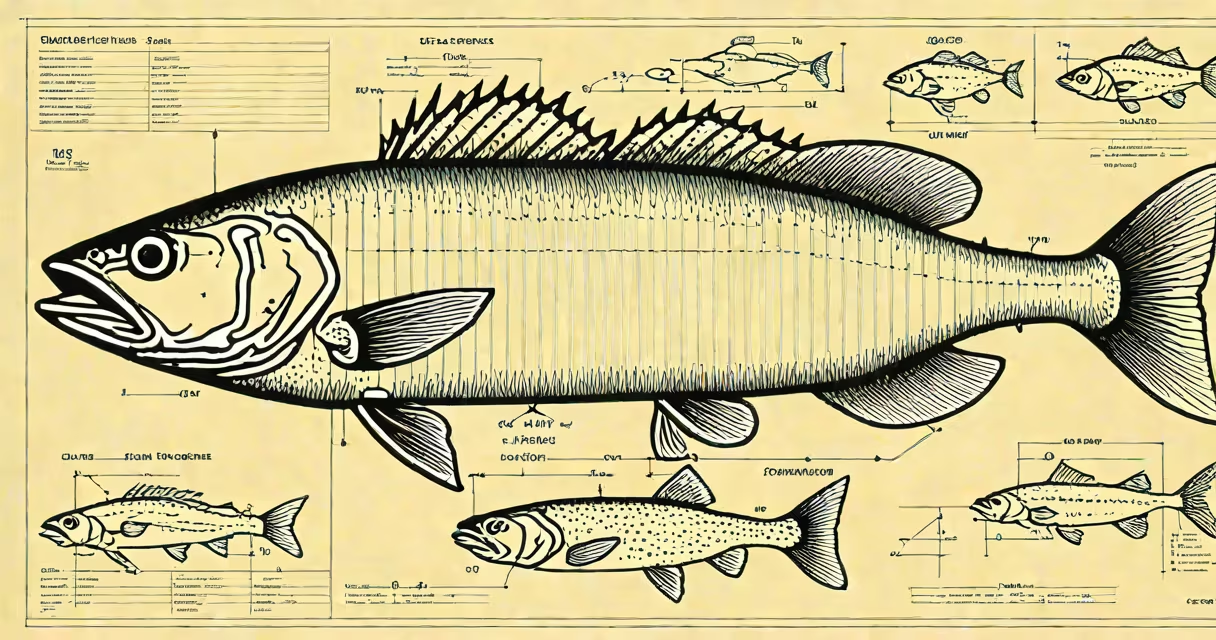
An Ohio state record is the largest verified specimen of a species caught or harvested in Ohio, documented by the Ohio Department of Natural Resources. These records track strong catches in fishing and hunting, recognizing anglers and hunters who achieve outstanding results.
To qualify as an Ohio state record, a specimen must meet strict criteria. For fish, it must be weighed whole on a certified scale within 30 days of capture. Hunters must submit evidence like photos, measurements, and witness affidavits. The Ohio Division of Wildlife verifies all submissions.
The process ensures accuracy. For example, the state-record largemouth bass (10 pounds, 8 ounces) was caught in 1978 and remains unbroken. Hunters must follow similar protocols, including submitting antlers or horns for scoring.
| Category | Record Type | Current Record Holder |
|---|---|---|
| Fishing | Largemouth Bass | 10 lbs 8 oz (1978) |
| Fishing | Blue Catfish | 43 lbs (2017) |
| Hunting | White-tailed Deer (Typical Antlers) | 203 4/8 inches (2016) |
| Hunting | Wild Turkey (Bearded) | 2.25 lbs beard (2015) |
State records show Ohio's rich biodiversity and attract outdoor enthusiasts. They encourage conservation efforts by promoting ethical practices and sustainable limits. Anglers and hunters often travel to Ohio to test their skills against these benchmarks.
A common misconception is that state records only apply to extreme outliers. In reality, they span common species like bluegill (1.8 inches) and gray squirrels (1 lb 12 oz). These records showcase Ohio's diverse wildlife, not just rare giants.
Anglers must weigh their catch on a certified scale and notify the Division of Wildlife within 24 hours. Hunters should photograph their trophy alongside a measuring device and submit it with an application. Detailed guidelines are available on the ODNR website.
I once witnessed a state-record attempt firsthand while fishing at Lake Erie. An angler reeled in a massive walleye, but it didn't meet the weight requirement. The excitement and precision required for record attempts are unforgettable.
Many assume state records only apply to large game or rare species. In reality, they cover common fish like bluegill and small game like gray squirrels. The records emphasize Ohio's biodiversity, not just extreme outliers.
Another myth is that records are permanent. Some, like the state-record blue catfish, have been broken multiple times as new anglers and hunters enter the scene.
Ohio state records celebrate the state's natural resources and ethical outdoor practices. Whether fishing or hunting, achieving a record requires skill, patience, and adherence to strict guidelines. These records inspire conservation and attract outdoor enthusiasts to Ohio's diverse landscapes.