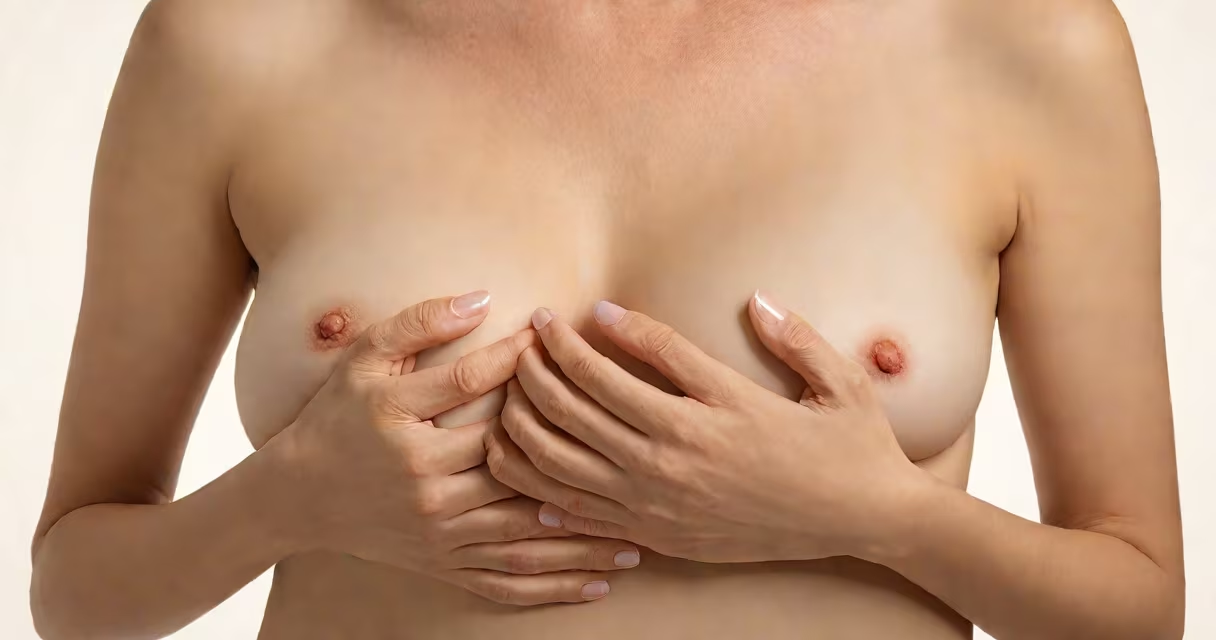
When one breast hurts, it can result from hormonal changes, injury, or infection. Most causes aren't serious, but persistent or severe pain warrants medical attention.
Breast pain, or mastalgia, often occurs due to hormonal fluctuations during menstruation, pregnancy, or menopause. Other causes include:
Consult a healthcare provider if pain persists for more than a few days, worsens, or is accompanied by other symptoms like redness, swelling, or nipple discharge. Sudden, severe pain without an obvious cause requires immediate evaluation.
Doctors diagnose breast pain through physical exams, medical history, and imaging tests like ultrasounds or mammograms. Treatment depends on the cause, ranging from pain relievers to antibiotics for infections or surgical removal of cysts.
For mild, temporary pain, try wearing a supportive bra, applying warm or cold compresses, or taking over-the-counter pain medication. Reduce caffeine intake, as it can worsen hormonal-related breast pain.
Most cases of breast pain are harmless, but staying informed and proactive ensures peace of mind. If pain persists or worsens, seeking medical advice is important.