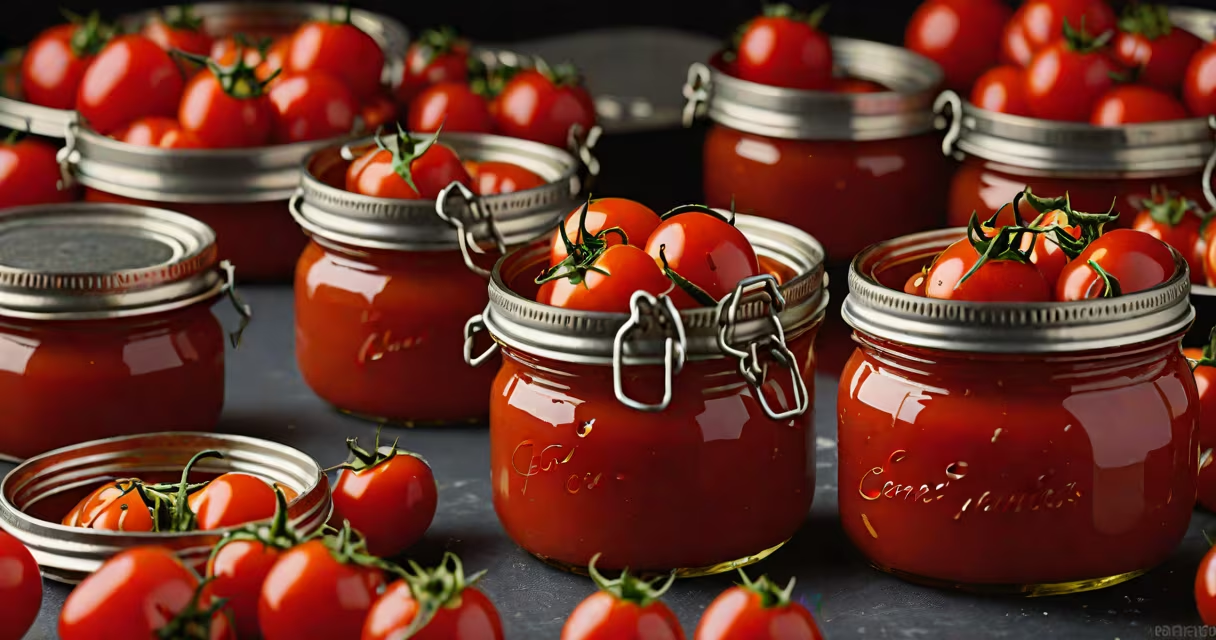
Oven canned tomatoes are fresh tomatoes preserved in jars using a hot water bath method after being heated in an oven, creating shelf-stable, concentrated tomato flavor without chemical preservatives. This process differs from commercial canning by using lower acidity varieties and shorter cooking times to maintain texture.
The process involves blanching tomatoes, packing them into sterilized jars, and processing in a water bath canner. The oven step pre-cooks the tomatoes to remove air and ensure proper sealing. According to the National Center for Home Food Preservation, this method achieves safe preservation while enhancing flavor through caramelization.
| Type | Characteristics | Best Uses |
|---|---|---|
| Whole peeled | Retains shape, thick skin | Soups, stews, sauces |
| Crushed | Partially broken down | Pasta sauces, pizza |
| Puréed | Completely blended | Smooth sauces, beverages |
Commercial canned tomatoes often contain added salt, citric acid, and calcium chloride for preservation. Oven canned versions skip these additives while offering superior flavor concentration. A 2017 study in the Journal of Food Science found home-canned tomatoes retain 30% more lycopene, a beneficial antioxidant, than their commercial counterparts.
Many assume oven canned tomatoes must be acidic like commercial products. In reality, low-acid tomatoes like Roma varieties can be safely preserved by adding lemon juice only after opening, unlike store-bought tomatoes which require acidification during processing. I learned this firsthand when preserving 20 pounds of garden tomatoes last summer - the unacidified version tasted fresher in winter recipes.
Another mistake is assuming all canned tomatoes are equally nutritious. Commercial processing often reduces vitamin content, whereas oven canning at home preserves more nutrients. For example, home-canned tomatoes retain nearly all their original vitamin C content, while commercial versions typically lose 30-40% during processing.
Chefs use oven canned tomatoes for their intense, sun-ripened flavor. A classic example is Marcella Hazan's famous tomato sauce recipe, which calls for whole canned tomatoes crushed by hand to release their essence. The slow breakdown during cooking creates a richer sauce than commercial products can achieve.
Home cooks appreciate the convenience of having seasonally grown tomatoes available year-round. A well-stocked pantry with 10-12 jars provides enough for winter cooking needs, with each jar containing roughly 2-3 pounds of fresh tomatoes.