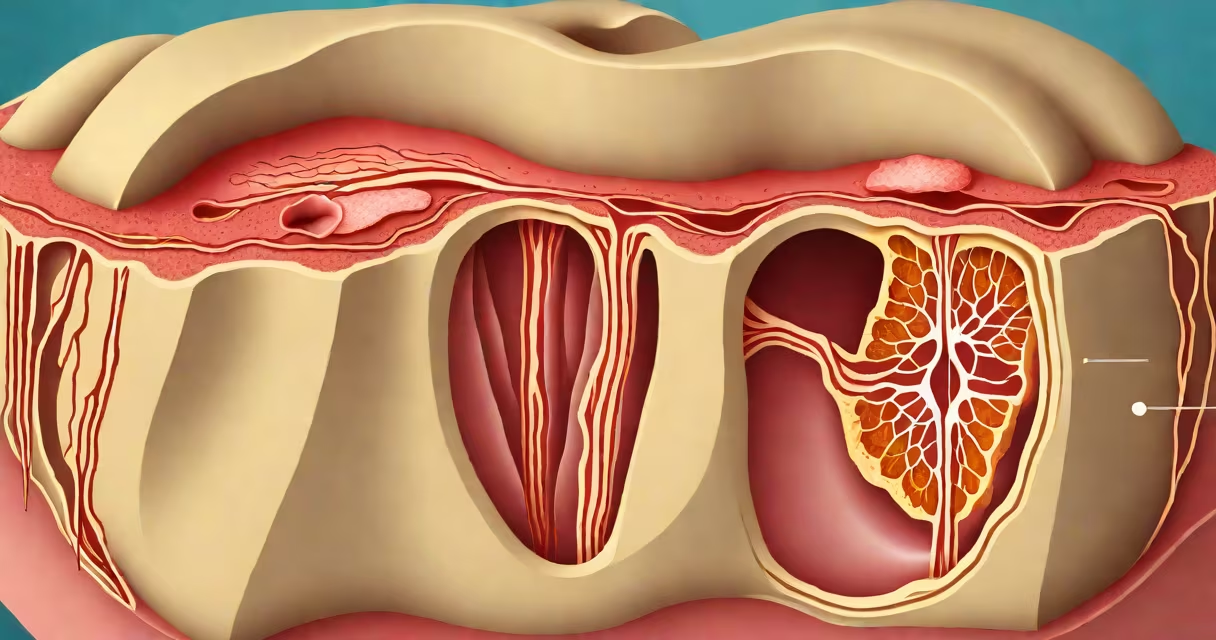
A pilonidal sinus disease is a chronic infection that forms a cavity or tunnel in the skin near the tailbone. This condition typically develops from ingrown hairs that become infected.
The disease often begins as a small dimple or pit in the skin at the base of the spine. Over time, hair follicles can become blocked, leading to inflammation and infection. The body responds by forming a sinus tract-a small tunnel-to drain the infection. If left untreated, this can lead to painful abscesses.
There are two primary types:
This condition is most common in young adults, particularly those between 16 and 30 years old. It is more prevalent in males and individuals with a sedentary lifestyle or excessive sitting. The exact cause is unknown, but factors like obesity, excessive body hair, and poor hygiene may contribute.
Treatment varies depending on the severity of the infection. For mild cases, warm compresses and antibiotics may suffice. More severe cases often require surgical drainage of the abscess. In chronic cases, procedures like wide excision or flap reconstruction may be necessary to remove the sinus tract and prevent recurrence.
I once treated a patient who had recurrent pilonidal sinus disease for years. After several unsuccessful attempts with antibiotics, surgical removal of the sinus tract provided long-term relief. This highlights the importance of considering surgical options for chronic cases.
To reduce the risk of developing pilonidal sinus disease, maintain good hygiene, avoid prolonged sitting, and consider hair removal in the affected area. Regular exercise can also help improve circulation and reduce pressure on the tailbone.