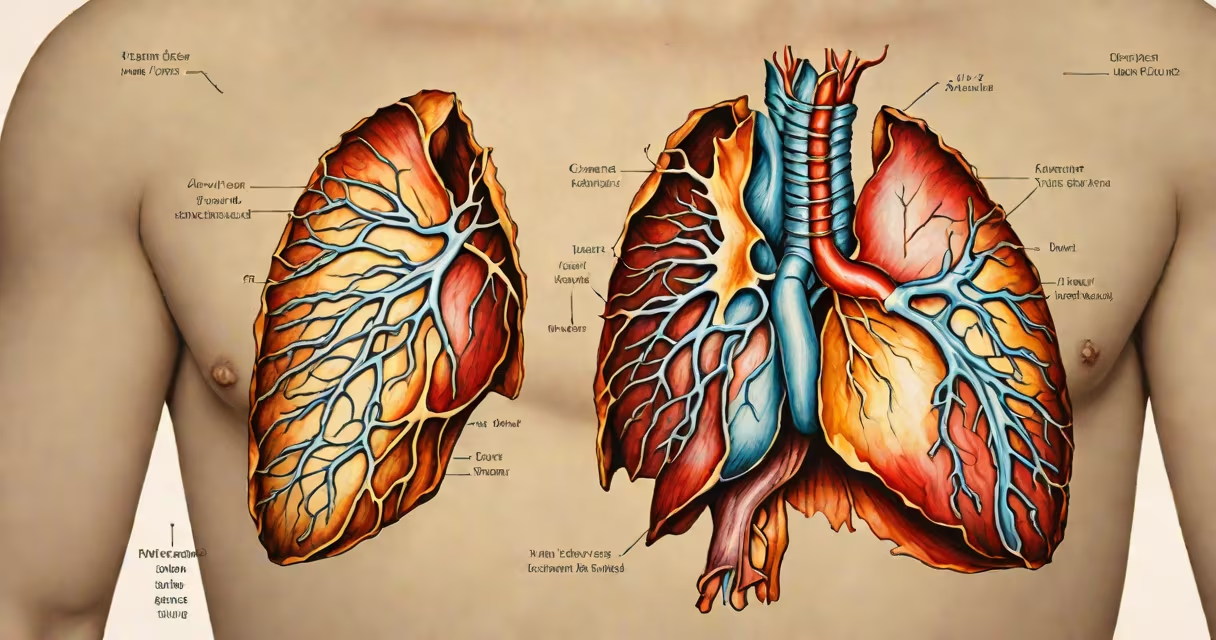
A "pinch" in the left side of the chest typically describes sharp, localized discomfort caused by muscle strain, inflammation, or digestive issues. This sensation often feels like pressure or a stabbing pain.
The chest contains muscles, ribs, nerves, and organs like the heart and lungs. A pinch-like pain usually results from irritation in these structures. Unlike heart-related pain, which often radiates, this discomfort stays localized.
Common triggers include:
Seek medical attention if the pain worsens, spreads to other areas, or occurs with shortness of breath, sweating, or nausea. These symptoms could indicate a heart issue. If the pain persists for days without relief, consult a doctor to rule out conditions like costochondritis or muscle injuries.
I once experienced a sharp pinch in my left chest after an intense workout. Rest and gentle stretching helped resolve it within a few days. However, if the pain had persisted or worsened, I would have sought medical advice.
Many people assume left-sided chest pain always signals a heart attack. While serious, this isn't always the case. Muscle strains, rib issues, or digestive problems often cause similar discomfort. A healthcare provider can determine the exact cause through physical exams and tests.
According to the American Heart Association, chest pain due to muscle strain or costochondritis is usually sharp and localized, while heart-related pain often feels like pressure or squeezing. Understanding these differences helps in assessing the severity.
For persistent or severe cases, consult a healthcare professional to determine the underlying cause and receive appropriate treatment. If you suspect heartburn, antacids or lifestyle changes may help. For muscle-related pain, gentle stretching and rest are often effective.