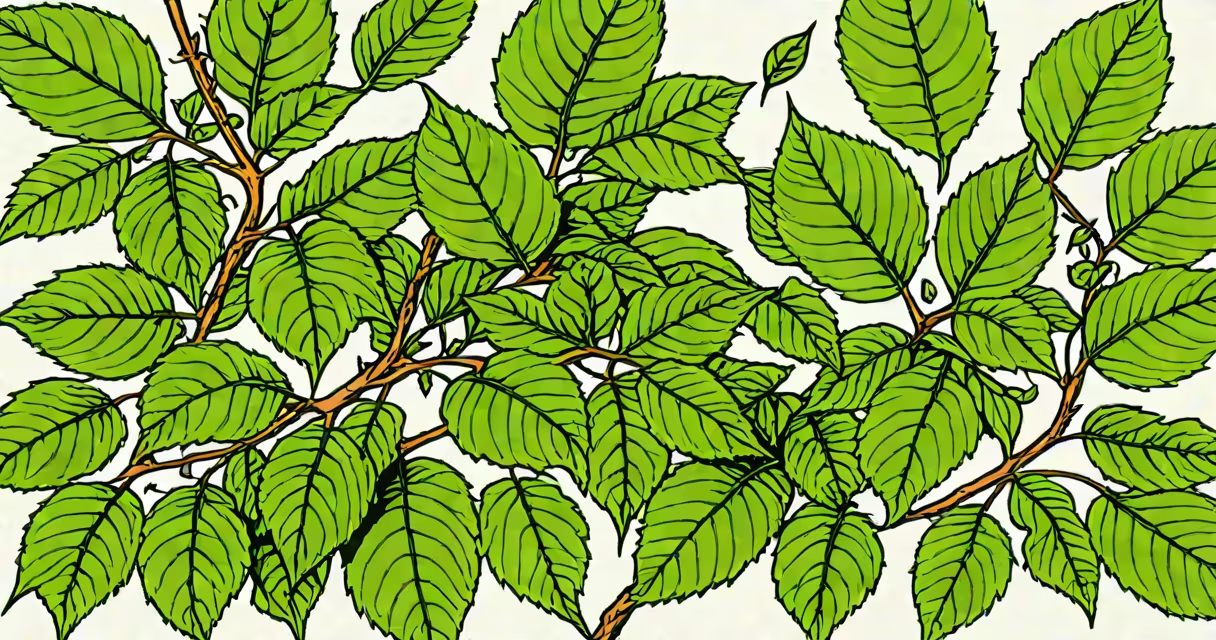
Poison ivy leaves are the toxic foliage of Toxicodendron radicans, a vine that causes allergic contact dermatitis in most people who touch it. The plant produces an oil called urushiol that triggers severe skin reactions.
When poison ivy leaves are crushed or damaged, they release urushiol, a clear oil that sticks to skin, clothing, and tools. This oil causes an immune reaction in about 85% of people, resulting in redness, swelling, and blisters within 12-48 hours. The reaction can last 2-3 weeks even if exposure stops.
Poison ivy typically grows as a vine with three distinct leaflets:
Poison ivy thrives in diverse environments across North America, including:
| Location Type | Examples |
|---|---|
| Woodland areas | Forest edges, tree bases |
| Urban spaces | Sidewalks, fences, walls |
| Wetlands | Swamps, riverbanks |
| Open fields | Roadside ditches, abandoned lots |
A common misconception is that poison ivy only grows in wild areas. In reality, it adapts well to disturbed soils and often grows in suburban and urban settings, including along fences and building foundations.
People often confuse poison ivy with other three-leafed plants, particularly:
To confirm poison ivy, look for hair-like filaments along the underside of the middle leaflet's stem, a unique feature not found in look-alike plants.
While researching this article, I visited a local park known for poison ivy growth. I noticed how the vines climbed trees using aerial roots, resembling thick ropes. The leaves had turned bright orange-red, making identification easier than in summer when they appear green like many other plants. This observation reinforced the importance of seasonal awareness when learning to recognize poison ivy.
To avoid poisoning, wear long sleeves, pants, and gloves when in areas where poison ivy might grow. Wash skin and clothing with soap and cold water immediately after potential exposure. If a rash develops, over-the-counter hydrocortisone creams or oral antihistamines may help reduce itching. For severe reactions, consult a healthcare provider.