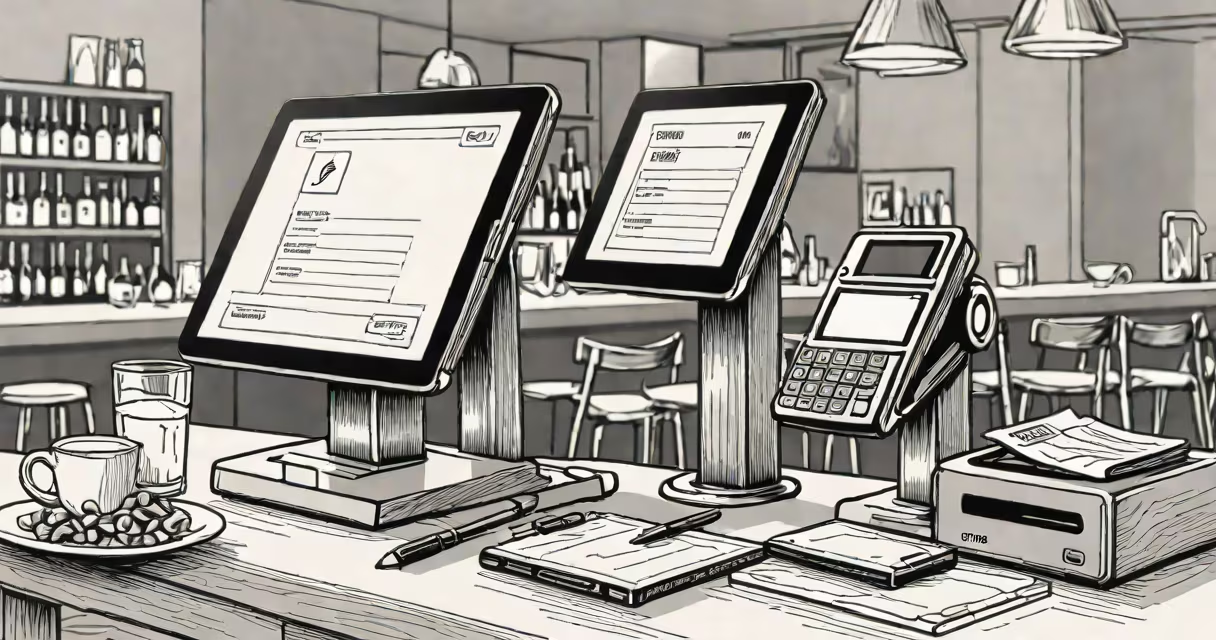
A POS with online ordering integrates point-of-sale systems with digital menus, allowing customers to place orders directly through a restaurant's website or app. This technology automates order processing, reduces errors, and increases revenue by capturing off-premise sales.
When a customer places an order through a restaurant's online platform, the request is transmitted directly to the kitchen display system (KDS) or printer. Staff can track order status in real time, update availability, and manage fulfillment without manual data entry. Payment processing is handled securely through the POS, with funds deposited directly into the merchant account.
Most systems include:
Many operators confuse online ordering with basic website builders or third-party marketplaces. While platforms like Uber Eats offer ordering capabilities, they charge high commissions (up to 30%) and don't integrate with in-house POS systems. True online ordering solutions are native to the restaurant's brand and technology stack.
According to the National Restaurant Association, restaurants using branded online ordering see 20% higher average order values than those relying on third-party apps.
Successful deployments require:
| Factor | Impact |
|---|---|
| Menu complexity | Simple menus adapt more easily than extensive ones with modifiers |
| Staff training | Proper onboarding reduces errors during transition periods |
| Tech infrastructure | Reliable internet and updated hardware prevent downtime |
When we helped a local café implement online ordering, we saw a 40% increase in lunch orders within three months. The key was training staff to monitor the digital queue alongside walk-in customers.
Restaurants gain:
Research from Toast shows that restaurants using online ordering retain 35% more customers than those without it.