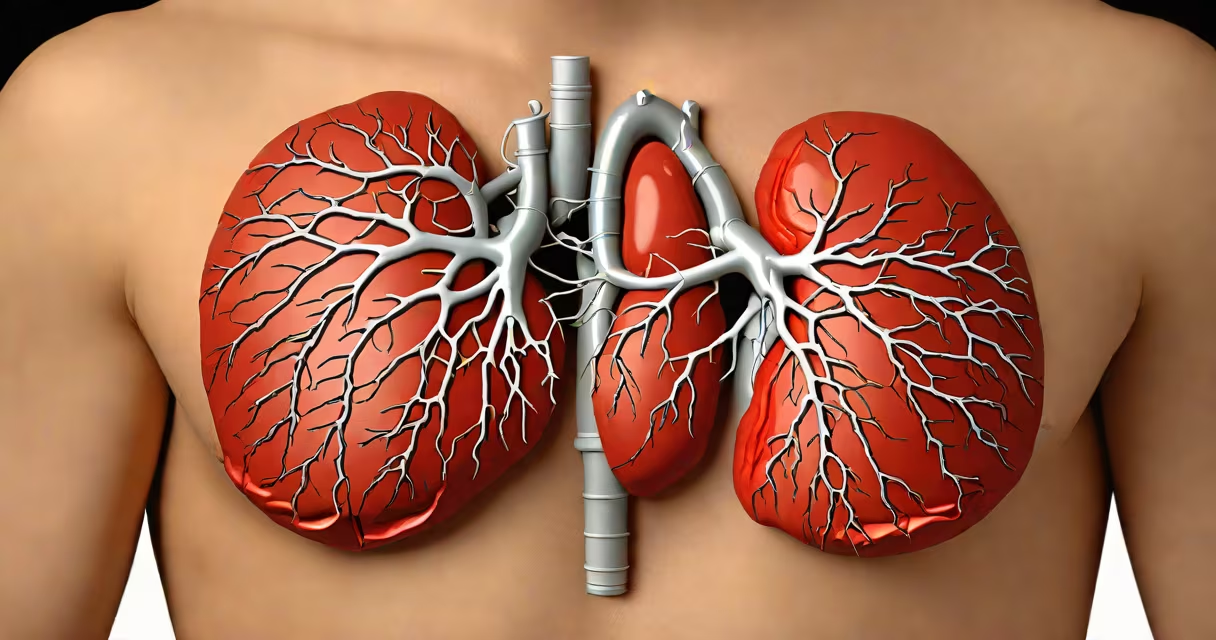
Pressure in left chest refers to discomfort or tightness localized to the left side of the sternum, often caused by cardiac issues, muscle strain, or digestive problems. This symptom ranges and may indicate conditions requiring immediate medical attention.
Chest pressure occurs when structures within the thoracic cavity become irritated or compressed. The heart, lungs, ribs, and major blood vessels all reside in this area, making it a complex region where various medical issues can manifest as pressure. Unlike sharp pain, pressure typically feels like squeezing, fullness, or tightness.
The most common causes fall into four categories:
| Type | Description | Example Condition |
|---|---|---|
| Cardiac | Related to heart function | Angina, heart attack |
| Musculoskeletal | Involving muscles and bones | Costochondritis, rib injuries |
| Digestive | Originating in the gastrointestinal system | GERD, esophageal spasms |
| Respiratory | Linked to lung function | Pneumonia, pleurisy |
Seek emergency care if pressure in left chest appears with:
According to the American Heart Association, these combinations may indicate a heart attack. A 2019 study in JAMA Cardiology found that women often experience atypical symptoms like back pain or jaw discomfort alongside chest pressure.
People often confuse pressure in left chest with other conditions:
Unlike heart-related pressure, these symptoms typically resolve quickly without medical intervention. However, persistent or worsening symptoms warrant professional evaluation.
Doctors use several methods to identify the cause:
For example, an ECG can detect if reduced blood flow to the heart is causing the pressure. If results are inconclusive, doctors may perform an exercise stress test to monitor heart activity during physical exertion.
Treatment depends on the underlying cause:
In severe cases, surgical interventions like coronary artery bypass grafting may be necessary. Always follow medical advice for proper diagnosis and treatment.