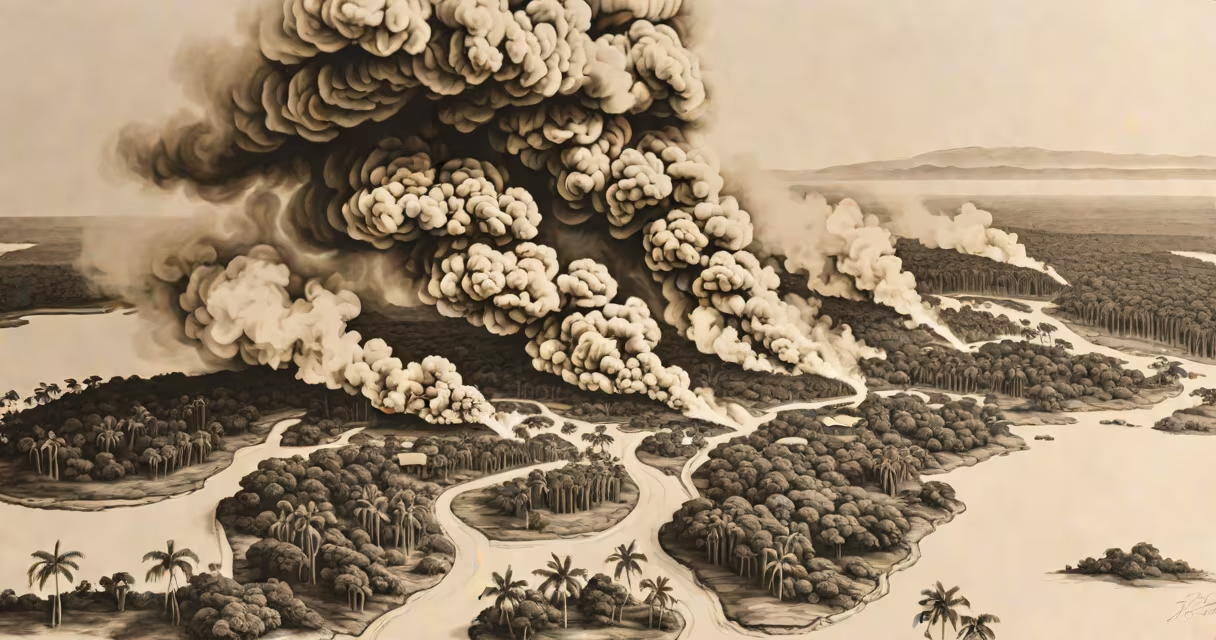
Queimadas no Brasil are intentional fires set primarily to clear land for agriculture or cattle ranching. These controlled burns often escape and become uncontrolled wildfires, devastating large areas of forest, particularly in the Amazon.
Farmers and ranchers use fire to remove unwanted vegetation quickly and cheaply. The practice dates back centuries but has intensified with industrial-scale agriculture. During the dry season, these fires spread rapidly due to high temperatures and low humidity.
Queimadas can be categorized based on their purpose and scale:
| Type | Purpose | Scale |
|---|---|---|
| Traditional | Small-scale land clearing | Localized |
| Industrial | Agriculture and ranching | Large-scale |
| Accidental | Escaped controlled burns | Varies |
Queimadas contribute to deforestation and air pollution. According to the World Wildlife Fund, Brazil loses an area of forest the size of a soccer field every minute due to fires. Smoke from these fires contains harmful particles that affect air quality and public health.
In 2019, satellite data from NASA showed a dramatic increase in fire activity, with over 100,000 fires detected in the Amazon alone. These fires release vast amounts of carbon dioxide, exacerbating climate change.
Many people confuse queimadas with natural wildfires. However, most queimadas are human-induced and preventable. Another misconception is that these fires only affect the Amazon; they also impact the Cerrado, Brazil's savanna, which is equally biodiverse.
I witnessed the aftermath of a queimada near Porto Velho in 2020. The field was barren, with only charred tree stumps remaining. The air smelled of smoke for days, and local rivers were filled with ash.
The Brazilian government has implemented laws to restrict queimadas, such as the New Forest Code, which aims to reduce deforestation and promote sustainable practices. However, enforcement remains challenging due to the vastness of the affected areas and limited resources.