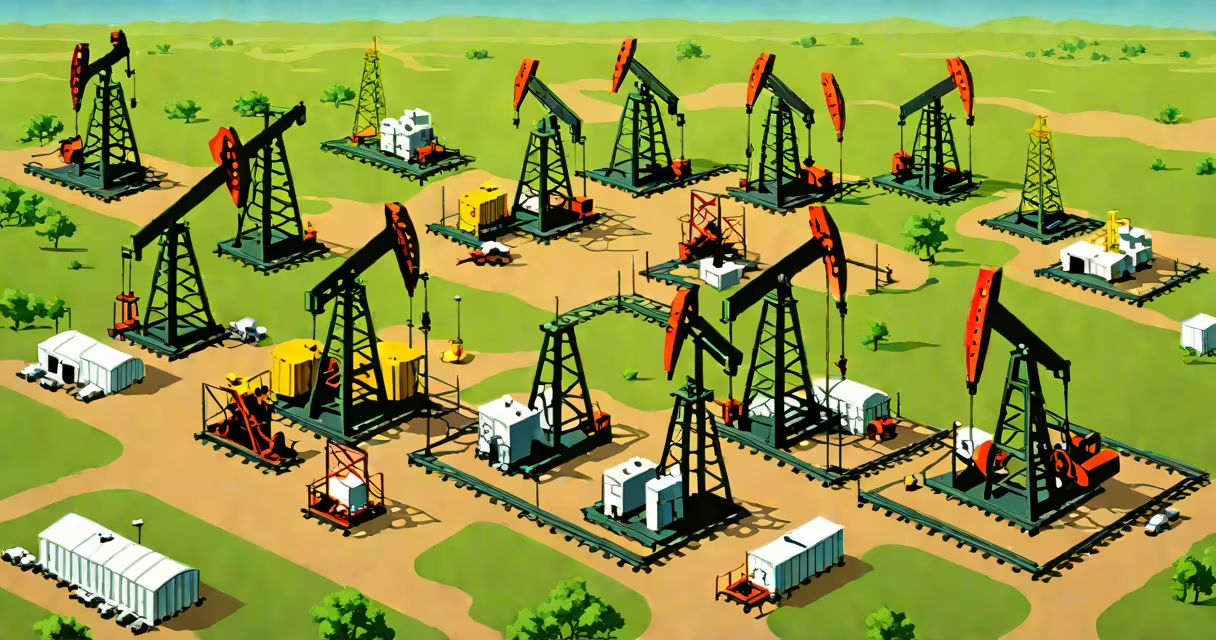
The Railroad Commission of Texas is the state agency regulating oil and gas production, mining, and surface coal and uranium mining-not railroads. The name dates to 1891, when it oversaw railroads, telephone companies, and banks.
The agency's current jurisdiction includes:
It issues permits, enforces safety rules, and settles disputes between operators. The commission also manages the state's underground injection control program, regulating waste disposal wells.
The name stems from its original 1891 mandate to regulate railroads, a major industry at the time. By 1917, its focus shifted to oil and gas as Texas became a leading energy producer. Despite name-change proposals, the commission retains its historical title.
| Area | Key Task |
|---|---|
| Oil and Gas | Issues drilling permits, sets production limits, enforces environmental rules |
| Pipeline Safety | Inspects pipelines, investigates accidents, enforces federal and state standards |
| Surface Mining | Regulates coal and uranium mines, ensures reclamation of mined land |
| Natural Gas Utilities | Sets rates, oversees service quality, resolves consumer complaints |
Many assume the Railroad Commission regulates trains or tracks. In reality, it hasn't overseen railroads since 2005, when those duties moved to the Texas Department of Transportation. The agency also doesn't handle trucking, shipping, or other transportation modes.
The commission's work impacts everyday Texans. For example, it investigates gas leaks, ensuring pipeline safety. During Hurricane Harvey in 2017, it temporarily halted oil and gas operations to prevent hazards. The agency also approves permits for new wells, balancing energy production with environmental protection.
The commission operates with three elected commissioners serving six-year terms. Decisions require a majority vote. The agency employs about 1,000 people, including engineers, geologists, and inspectors. It collects fees its work.
For context, in 2022, the commission processed over 25,000 oil and gas permits. It also conducted nearly 30,000 inspections, ensuring compliance with state and federal laws. The agency's budget exceeds $100 million annually, funded mostly by industry fees.
One non-obvious fact: the commission plays a role in renewable energy. It regulates solar and wind projects connected to the power grid, ensuring they meet technical standards. This oversight helps integrate alternative energy sources into Texas' power supply.
The Railroad Commission Texas remains a critical but often misunderstood agency. Despite its outdated name, it plays a important role in managing the state's energy resources and protecting public safety. Understanding its functions helps clarify its importance in Texas' economy and infrastructure.