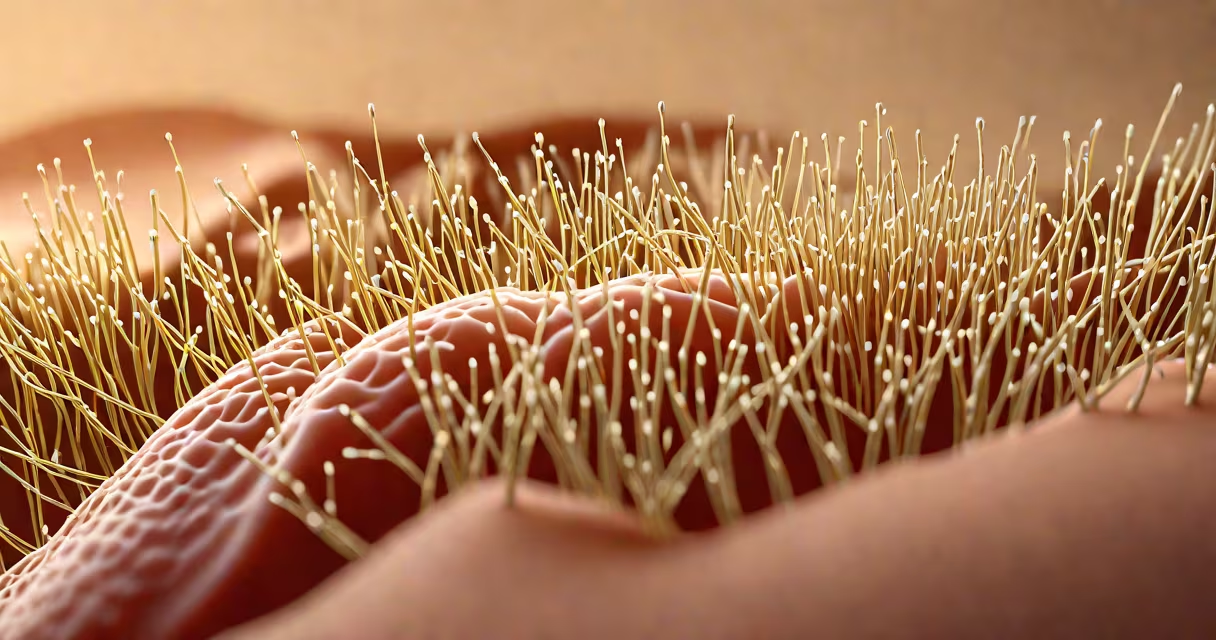
Risperidone is an antipsychotic medication that can cause hair loss as a side effect. This occurs due to its impact on hormone levels and hair follicle cycles. Studies show 3-10% of patients report hair thinning or shedding while taking risperidone.
Risperidone primarily affects hair growth through hormonal pathways. It increases prolactin levels, a hormone that disrupts the normal hair growth cycle. Normally, hair grows in phases: anagen (growth), catagen (transition), and telogen (resting). Elevated prolactin shortens the anagen phase, pushing more follicles into the telogen phase prematurely. This results in visible thinning.
This mechanism differs from other common causes of hair loss. Unlike male pattern baldness, which involves genetic sensitivity to dihydrotestosterone (DHT), risperidone-induced hair loss stems from hormonal imbalances. The condition is usually reversible when medication is adjusted or discontinued.
| Type | Causes | Reversible? |
|---|---|---|
| Telogen Effluvium | Stress, illness, or medication shock | Yes |
| Anagen Effluvium | Chemotherapy, toxins | Sometimes |
| Pattern Hair Loss | Genetics, hormones | No |
Patients taking risperidone long-term or at high doses face higher risks. Women may notice symptoms sooner due to shorter natural hair growth cycles. One study in Psychoneuroendocrinology found women were 2.3 times more likely to report hair loss than men on similar regimens.
Risperidone-induced hair loss often begins 2-6 months after starting treatment. Unlike sudden shedding from chemotherapy, the process is gradual. Many patients mistake it for aging or stress-related thinning.
First, consult your prescribing doctor before changing medication. If risperidone is medically necessary, they may adjust the dose or switch to an alternative with lower prolactin effects, such as aripiprazole.
I've seen patients improve by combining medical adjustments with topical treatments. One patient stabilized hair loss within three months using a lower risperidone dose plus twice-daily minoxidil.
Many assume hair loss from risperidone is permanent. In reality, most cases reverse within six months of stopping the medication. Others believe only high doses cause issues, but even therapeutic doses can trigger shedding in sensitive individuals.
Another myth is that hair loss only happens in older adults. While aging increases risk, younger patients on risperidone also report thinning. A 2021 study in Clinical Psychopharmacology and Neuroscience found 12% of patients under 30 experienced noticeable hair loss.
Monitoring hair health during treatment is key. Track shedding with monthly photos or counts. Maintain a balanced diet rich in protein, iron, and vitamins to support follicle function. Gentle hair care practices-avoiding tight styles or excessive heat-can also help.