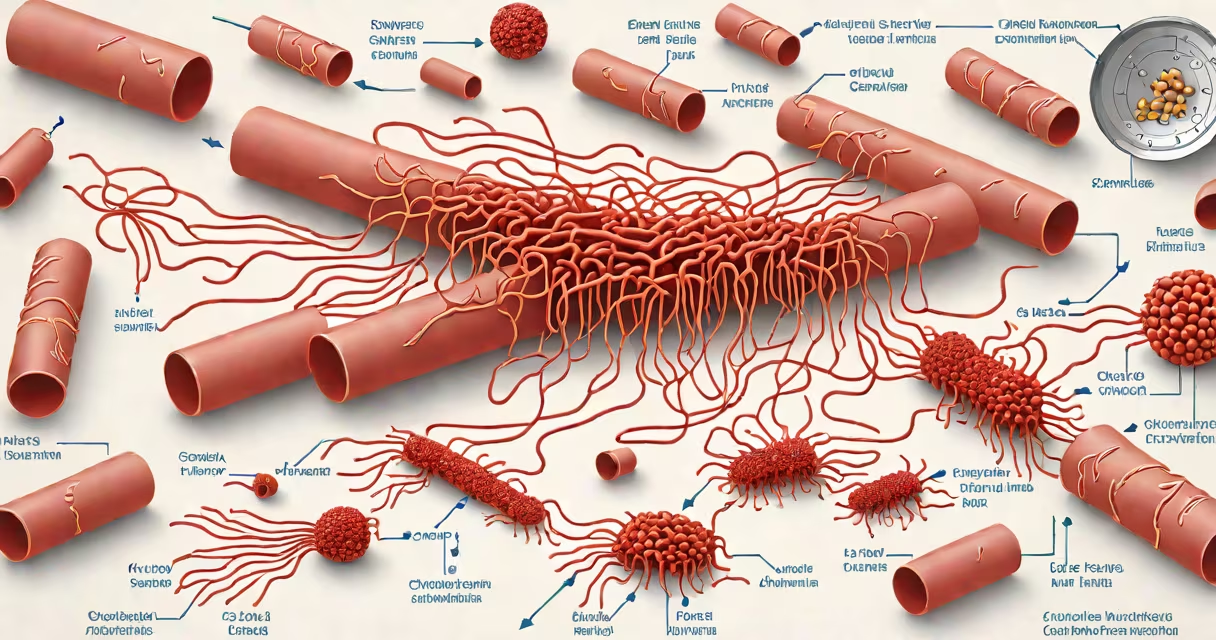
A salmonella blood infection occurs when salmonella bacteria invade the bloodstream, triggering systemic symptoms and potentially life-threatening complications. This condition typically arises from untreated gastrointestinal infections caused by salmonella.
Salmonella bacteria usually infect the digestive tract through contaminated food or water. In rare cases, the bacteria breach the intestinal lining and enter the bloodstream, leading to bacteremia. The immune system responds by releasing cytokines, which cause inflammation and fever. Without treatment, the infection can spread to other organs, including the liver, spleen, and brain.
Salmonella blood infections fall into two primary categories:
According to the Centers for Disease Control and Prevention (CDC), typhoidal salmonella accounts for about 15% of salmonella blood infections in the U.S.
Antibiotics are the primary treatment for salmonella blood infections. Commonly prescribed medications include ceftriaxone, ciprofloxacin, and azithromycin. Patients with severe infections may require hospitalization for intravenous antibiotics and supportive care.
In 2021, a study published in Clinical Infectious Diseases found that early antibiotic treatment reduces mortality rates in patients with salmonella bacteremia.
Preventing salmonella infections focuses on food safety practices, such as cooking food thoroughly, washing hands regularly, and avoiding cross-contamination. Vaccines are available for typhoidal salmonella but not for non-typhoidal strains.
I once witnessed a case where a patient developed a salmonella blood infection after consuming undercooked chicken. The patient recovered fully after a course of antibiotics, highlighting the importance of proper food handling.
Many people confuse salmonella blood infections with other foodborne illnesses, such as E. coli or listeria. While these infections share similar transmission routes, their symptoms and treatments differ.
Another misconception is that salmonella infections are always mild. While most cases resolve without complications, bloodstream infections can be severe, especially in immunocompromised individuals.
Seek medical attention if you experience persistent fever, abdominal pain, or blood in stool or urine after a suspected salmonella infection. Early diagnosis and treatment are important for preventing severe complications.
For more information on blood in stool and urine infection, consult a healthcare professional.