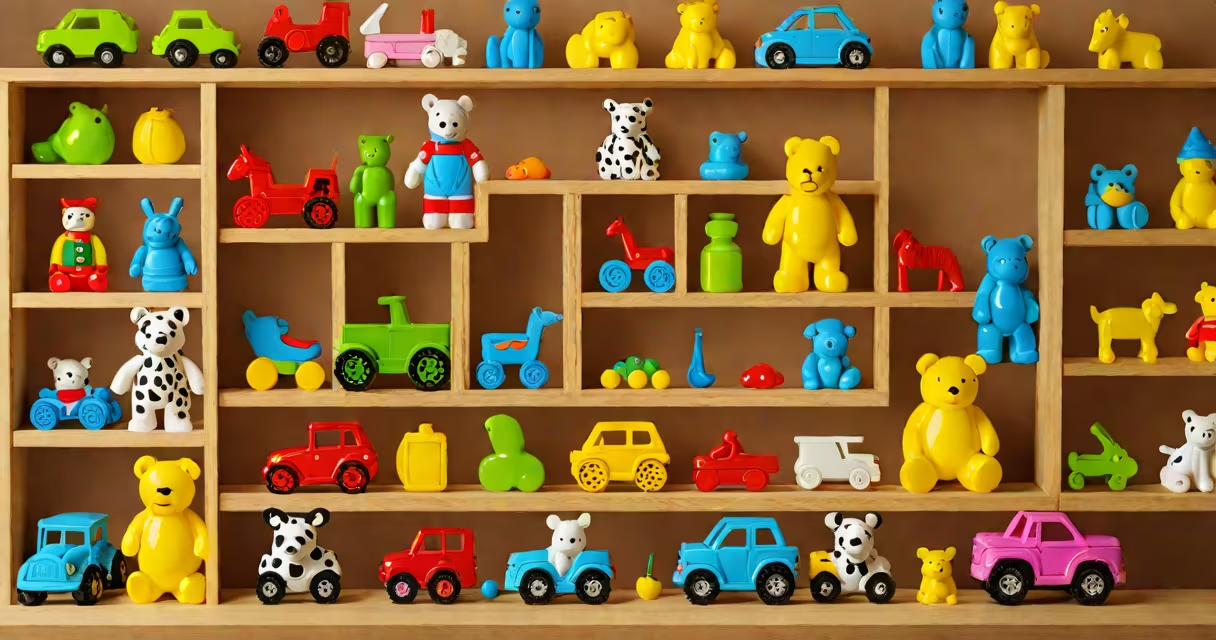
Selling toys online involves setting up an e-commerce store, selecting popular or niche toys, and using targeted marketing to reach parents and gift buyers. This guide covers the essential steps, from choosing your product line to handling orders efficiently.
To sell toys online, you need an e-commerce platform, a supplier or inventory, and a strategy to attract customers. Platforms like Shopify, Etsy, or Amazon FBA simplify the process. You can source toys from manufacturers, wholesalers, or even create your own if you design custom toys.
Once your store is set up, you'll list your products with high-quality images and detailed descriptions. Pricing should cover costs while remaining competitive. Marketing through social media, Google Ads, or influencer partnerships helps drive traffic to your store.
Toys cater to different age groups and interests. Here's a breakdown of popular categories:
| Toy Type | Examples | Target Age Group |
|---|---|---|
| Educational Toys | Building blocks, puzzles, science kits | 3-12 years |
| Action Figures | Superhero figures, movie characters | 4-16 years |
| Plush Toys | Stuffed animals, dolls | 0-10 years |
| Outdoor Toys | Bikes, scooters, sports equipment | 5-18 years |
| Electronic Toys | Remote-controlled cars, interactive robots | 6-16 years |
A common mistake is focusing only on trendy toys. While trends like fidget spinners can boost sales temporarily, evergreen toys (like LEGO sets or stuffed animals) provide steady income. Research shows that parents prefer durable, educational toys over short-lived fads.
Online toy sales grew by 20% in 2022, according to Statista. Parents and gift buyers prefer shopping online for convenience, variety, and competitive pricing. Holidays like Christmas and birthdays drive peak sales, but consistent marketing helps maintain year-round demand.
Platforms like Amazon and eBay have built-in audiences, making them ideal for beginners. However, selling on your own website gives you full control over branding and customer relationships. For example, a small business selling eco-friendly toys might attract environmentally conscious parents through targeted Facebook ads.
Many assume that selling toys online is easy because children love them. However, competition is fierce, and regulations (like safety standards) add complexity. For instance, toys must comply with U.S. Consumer Product Safety Commission (CPSC) guidelines to avoid legal issues.
Another misconception is that only big brands succeed. Niche markets, such as vintage toys or handmade wooden toys, can thrive with the right audience. A friend of mine sells custom-made wooden puzzles online and targets homeschooling parents, who actively seek educational materials.
Begin by choosing a platform. Shopify is user-friendly for beginners, while Etsy is great for handmade or vintage toys. Next, source high-quality toys-either by manufacturing your own or partnering with a supplier. Take professional photos and write clear, benefit-focused descriptions.
Use social media to build an audience. Instagram and TikTok are effective for reaching parents, while Pinterest works well for seasonal promotions. Offer excellent customer service, including fast shipping and hassle-free returns, to encourage repeat buyers.