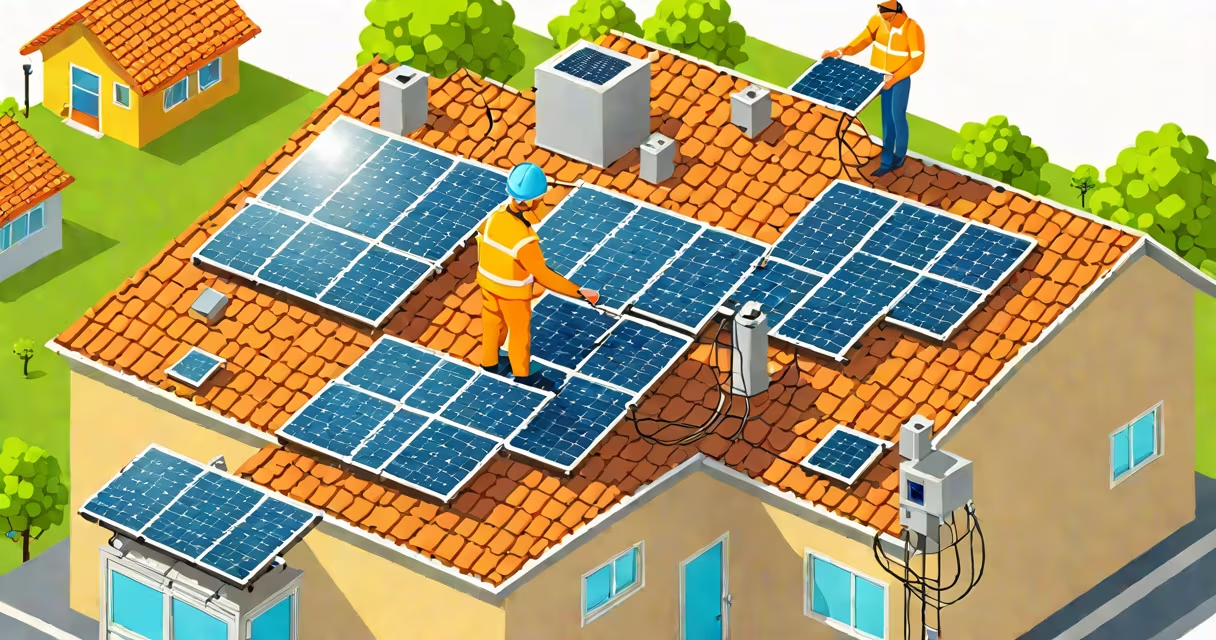
Selling solar power means marketing and installing solar energy systems for homes and businesses. These systems convert sunlight into electricity, reducing reliance on traditional power grids.
Companies that sell solar power typically offer a range of services, including consultations, system design, installation, and maintenance. They work with customers to assess their energy needs and recommend appropriate solar solutions. The process often involves:
Solar power systems come in several types, each suited to different needs:
| Type | Description | Best For |
|---|---|---|
| Grid-tied systems | Connected to the local utility grid, allowing excess energy to be fed back into the grid. | Homeowners and businesses with access to the utility grid. |
| Off-grid systems | Standalone systems that store energy in batteries, ideal for remote locations. | Properties without access to the utility grid. |
| Hybrid systems | Combine grid-tied and off-grid features, offering flexibility and reliability. | Those who want backup power during outages. |
Selling solar power is a growing industry driven by increasing demand for renewable energy. According to the Solar Energy Industries Association, solar power accounts for about 40% of all new electric capacity installed in the U.S. annually. This growth is fueled by factors such as:
Many people confuse selling solar power with other energy-related businesses. Here are a few clarifications:
I visited a solar installation company that offered a free consultation to assess a homeowner's energy needs. They used specialized software to design a system that would cover 80% of the home's electricity usage. After installation, the homeowner saw a 50% reduction in their monthly electricity bill, demonstrating the practical benefits of selling solar power.