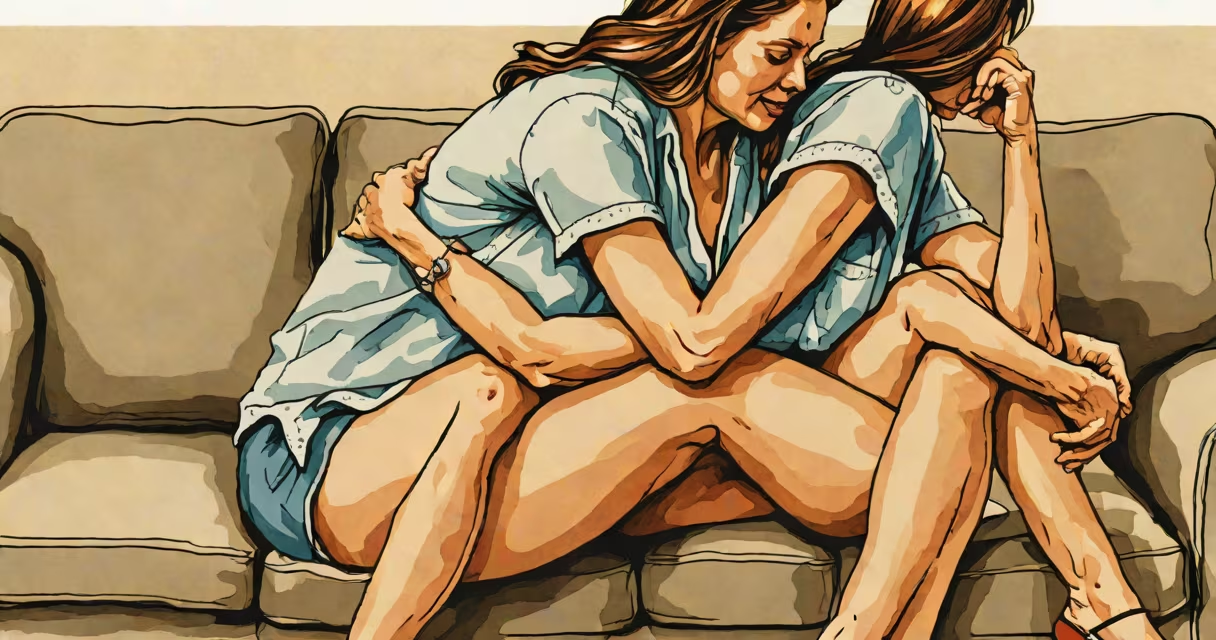
Severe back cramps during your period are intense, throbbing pains in your lower back that often coincide with menstrual bleeding. These cramps occur when uterine contractions trigger referred pain in nearby areas, including the lower back.
During menstruation, your uterus contracts to shed its lining. These contractions can press on nerves and blood vessels in your pelvis, causing pain that radiates to your lower back. The severity varies based on factors like hormone levels, uterine position, and underlying conditions.
The primary cause is dysmenorrhea, or painful periods. Other contributors include:
Consult a healthcare provider if your back cramps are accompanied by heavy bleeding, nausea, dizziness, or pain that doesn't improve with over-the-counter medication. These symptoms may indicate conditions like endometriosis or fibroids that require medical treatment.
To alleviate severe back cramps during your period, try these methods:
Many people assume severe back cramps during a period are normal. However, extreme pain is not typical and may signal an underlying issue., some believe that only younger women experience severe cramps, but pain can worsen with age due to conditions like endometriosis.
Understanding why severe back cramps occur during your period starts with recognizing how your body responds to hormonal changes. Prostaglandins, hormones that trigger uterine contractions, play a key role. When these hormones are elevated, they can cause stronger contractions and more intense pain., the uterus' proximity to the lower back means referred pain is common.
Severe back cramps during your period are often manageable with the right strategies. If pain persists or worsens, consult a healthcare professional to rule out underlying conditions.