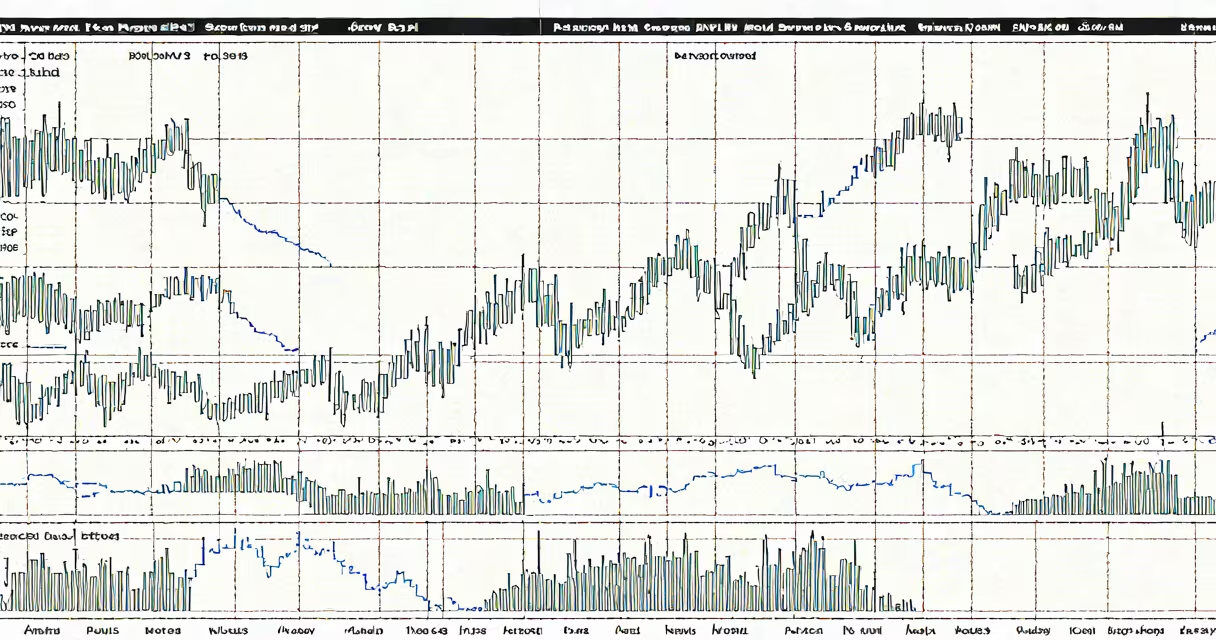
A Shanghai Composite Index ETF is an exchange-traded fund that replicates the performance of the Shanghai Stock Exchange Composite Index, tracking the 1,600+ stocks listed on China's largest exchange.
These ETFs provide investors with a way to gain exposure to China's stock market without buying individual shares. The fund's price fluctuates throughout the trading day, mirroring the movements of the underlying index. Investors buy and sell shares like any other stock.
The Shanghai Composite Index includes large-, mid-, and small-cap companies across various sectors. Top holdings typically feature state-owned enterprises and major industrial firms. For example, as of 2023, Kweichow Moutai, a liquor company, and Industrial and Commercial Bank of China, a financial institution, are among the largest components.
The index is weighted by market capitalization, meaning larger companies have a greater influence on its performance. This reflects the actual size of companies in China's economy.
Investors use Shanghai Composite Index ETFs to gain exposure to China's economic growth, diversify their portfolios, and access emerging markets. China is the world's second-largest economy and a major player in global trade. These ETFs offer a convenient way to invest in this growing market without the complexities of direct investment.
Many investors confuse the Shanghai Composite Index with other Chinese indices, such as the Hang Seng Index, which tracks stocks listed in Hong Kong. While both provide exposure to Chinese markets, they represent different exchanges and regulatory environments. The Shanghai Composite focuses on mainland China, while the Hang Seng includes companies listed in Hong Kong, many of which are multinational corporations.
Another misconception is that the Shanghai Composite Index solely represents technology stocks. In reality, it encompasses many sectors, including finance, industrials, consumer goods, and healthcare. Technology does play a significant role, but it is not the sole driver of the index's performance.
Investing in Shanghai Composite Index ETFs comes with risks, including market volatility, currency fluctuations, and geopolitical factors. The Chinese stock market can be highly volatile, with significant price swings driven by domestic and international events., investors should be aware of the potential impact of currency exchange rates, as the Chinese yuan can fluctuate against other major currencies.
Geopolitical risks, such as trade tensions between China and other countries, can also affect the performance of these ETFs. Investors should stay informed about global events and their potential impact on the Chinese stock market.
A Shanghai Composite Index ETF offers investors a straightforward way to participate in China's economic growth. By tracking the performance of the Shanghai Stock Exchange Composite Index, these ETFs provide exposure to a diverse range of sectors and companies. However, investors should be aware of the risks associated with investing in emerging markets and stay informed about global events that could impact the Chinese stock market.