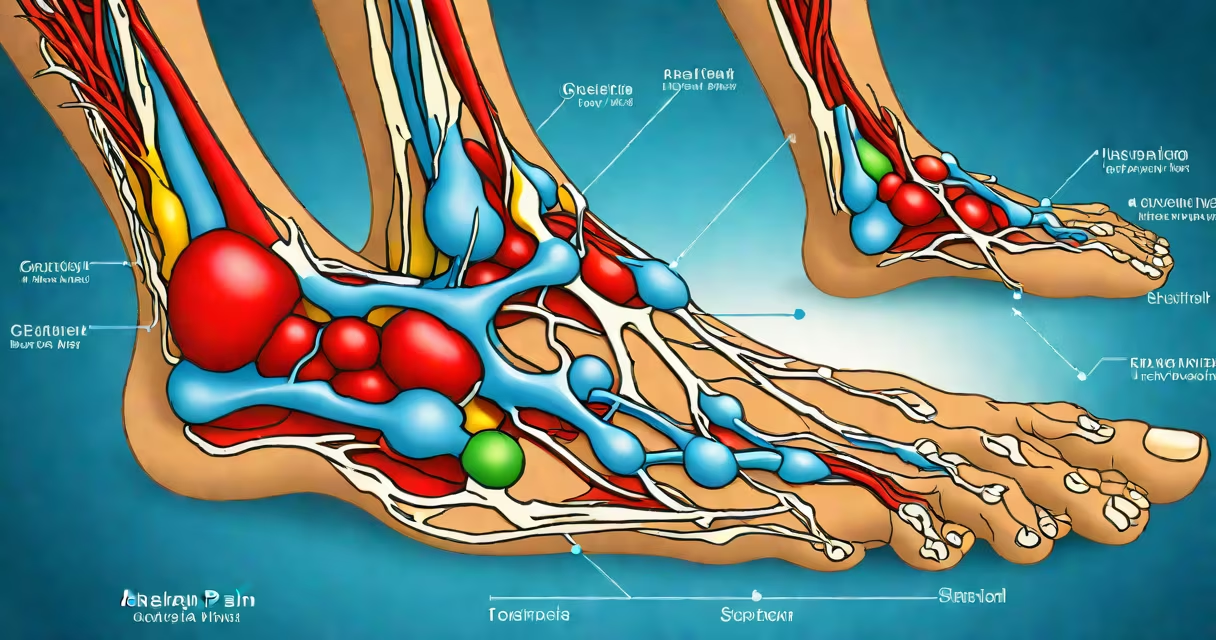
Shooting pain on the inside of the foot typically results from inflammation of the plantar fascia or irritation of the tibial nerve. This pain often occurs near the arch or heel and may radiate along the sole.
The plantar fascia is a thick band of tissue running along the bottom of the foot, connecting the heel bone to the toes. When this tissue becomes inflamed, it causes sharp, stabbing pain, especially in the morning or after long periods of rest. Nerve-related pain, such as tibial neuropathy, can also cause shooting sensations due to compression or damage to the nerve.
Common causes of shooting pain on the inside of the foot include:
This type of pain most commonly occurs in the arch or near the heel. Plantar fasciitis is often triggered by overuse, poor foot mechanics, or wearing unsupportive footwear. Tarsal tunnel syndrome may result from injury, flat feet, or prolonged pressure on the nerve. Stress fractures can occur from repetitive impact, such as running on hard surfaces.
Many people confuse shooting pain on the inside of the foot with general arch pain or assume it's always due to plantar fasciitis. However, nerve-related pain, such as that from tarsal tunnel syndrome, can mimic these symptoms but requires different treatment approaches. Unlike plantar fasciitis, which worsens with the first steps in the morning, nerve pain may persist throughout the day and night.
Treatment varies depending on the underlying cause. For plantar fasciitis, stretching exercises, orthotic inserts, and avoiding high-impact activities can help. Nerve-related pain may require anti-inflammatory medications, physical therapy, or, in severe cases, surgery to relieve pressure on the nerve. Rest, ice, compression, and elevation (RICE) are common initial treatments for most causes.
For persistent or severe pain, consulting a healthcare professional is essential. A podiatrist can diagnose the specific cause and recommend appropriate treatment, which may include custom orthotics, physical therapy, or other interventions.
In my experience, addressing foot pain early with proper footwear and supportive inserts can prevent chronic issues. Ignoring the pain can lead to worsening symptoms and longer recovery times.