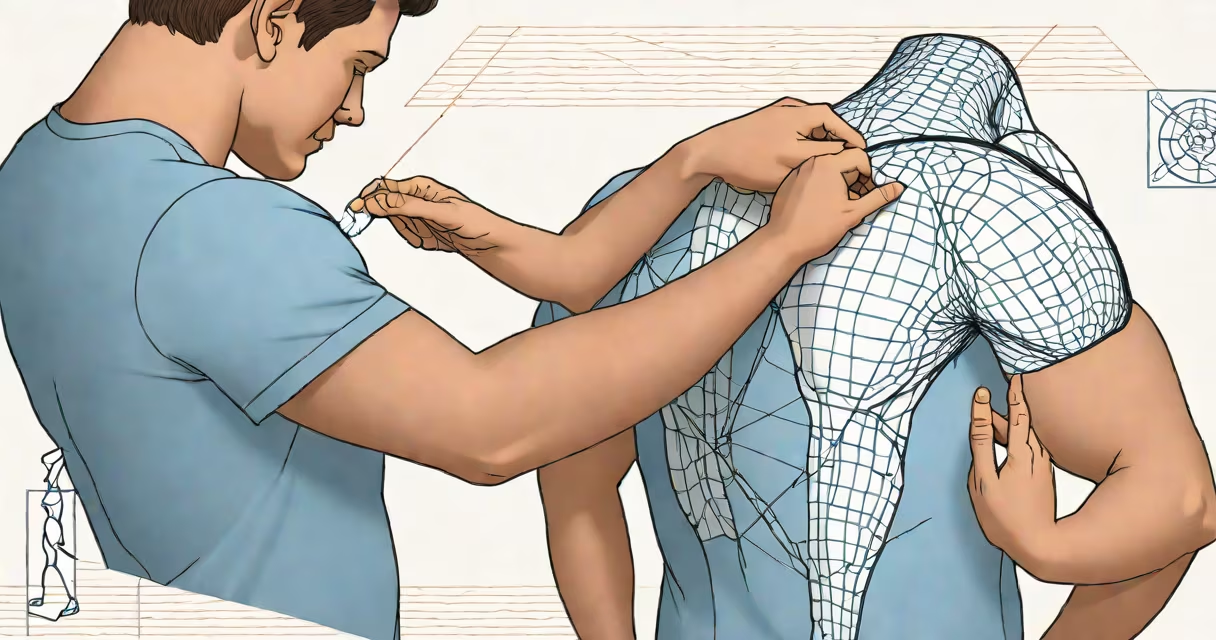
Shoulder pain after workout treatment involves addressing acute discomfort and preventing chronic issues from exercise-induced strains or injuries. This typically includes rest, ice, compression, and elevation (RICE) along with targeted stretches and strengthening exercises.
Shoulder pain often results from overuse, improper form, or excessive load during exercises like bench presses, overhead lifts, or pull-ups. The rotator cuff muscles and surrounding tendons can become inflamed or strained, leading to pain that may radiate down the arm.
According to the American Academy of Orthopaedic Surgeons, shoulder injuries are common among athletes and fitness enthusiasts due to repetitive motions and high-impact activities. Even minor imbalances in muscle strength can lead to significant discomfort.
The most frequent causes of post-workout shoulder pain include:
A study published in the Journal of Shoulder and Elbow Surgery found that 40% of shoulder injuries in gym-goers were related to poor warm-up routines and improper technique.
For acute shoulder pain after a workout, follow these steps:
I once treated a torn rotator cuff by following RICE protocol strictly for three days, which reduced swelling and pain before physical therapy.
After the initial pain subsides, focus on gradual reconditioning. Start with gentle shoulder mobility exercises, then progress to strengthening routines targeting the rotator cuff and scapular stabilizers.
Physical therapists often recommend exercises like external rotations with resistance bands and shoulder blade squeezes to restore function. Avoid high-impact activities until full strength returns.
To minimize the risk of shoulder injuries during workouts: