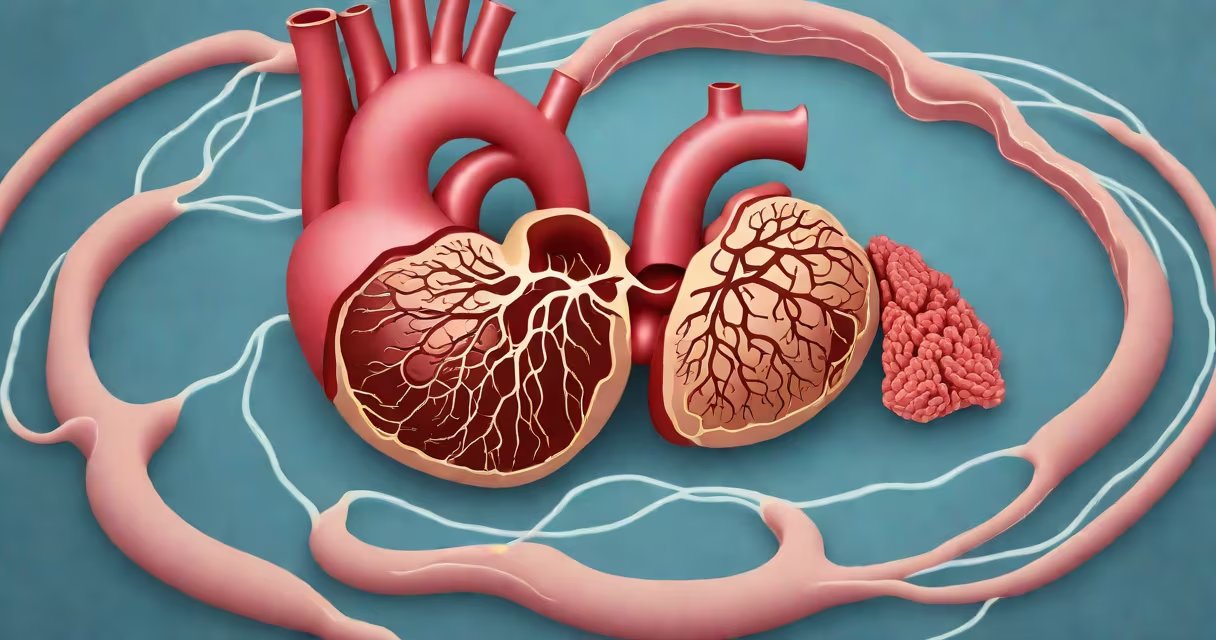
A small pericardial effusion is a buildup of excess fluid between the heart and the sac-like structure that surrounds it, called the pericardium. This condition is typically detected incidentally during imaging tests for other reasons, as it often causes no symptoms.
The pericardium normally contains a small amount of fluid to lubricate the heart's movement. A small pericardial effusion occurs when this fluid accumulates beyond normal levels, usually due to inflammation, infection, or injury. The pericardium can stretch slightly to accommodate small amounts of extra fluid, which is why many cases go unnoticed.
Small pericardial effusions can result from various conditions, including:
Small pericardial effusions are often discovered during routine imaging, such as an echocardiogram or CT scan. While they may not cause symptoms, doctors evaluate them to rule out underlying conditions that could worsen over time. An echocardiogram uses ultrasound waves to visualize the heart and measure the amount of fluid present.
Most small pericardial effusions require no treatment if they are asymptomatic. However, if symptoms like chest pain, shortness of breath, or unexplained fatigue develop, medical evaluation is necessary. Treatment focuses on addressing the underlying cause, whether it's infection, inflammation, or another condition.
If you've been diagnosed with a small pericardial effusion, your doctor will likely recommend follow-up imaging to monitor for changes. Early detection and management of the root cause can prevent complications and ensure heart health.