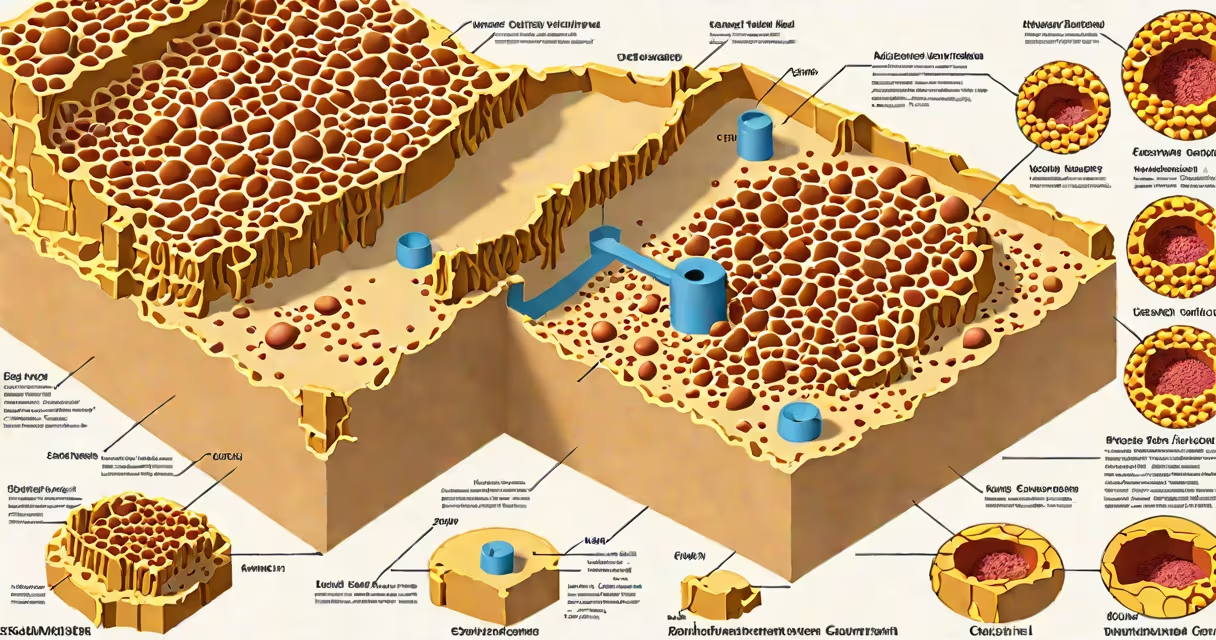
Squamous cell carcinoma skin cancer (SCC) is a common skin cancer that develops in the flat cells called squamous cells, typically appearing as firm red nodules or scaly patches on sun-exposed skin. It often arises from actinic keratosis, a pre-cancerous skin condition caused by prolonged UV exposure.
SCC begins in the squamous cells, which form the outer layer of the epidermis. Unlike basal cell carcinoma, which grows slowly, SCC can spread quickly if untreated. The primary cause is ultraviolet (UV) radiation from sunlight or tanning beds, which damages skin cell DNA. Other risk factors include chronic wounds, burns, or exposure to certain chemicals like arsenic.
SCC often develops from actinic keratosis, rough, dry patches that appear on sun-damaged skin. While not all actinic keratoses turn into SCC, they are considered precursors. The transformation usually takes years, but early detection and treatment are important.
SCC can manifest in several forms, including:
SCC primarily affects areas frequently exposed to the sun, such as the face, ears, neck, hands, and arms. However, it can also occur on non-sun-exposed areas, particularly in people with darker skin tones. The incidence increases with age, and men are more likely to develop SCC than women.
While SCC is less aggressive than melanoma, it can still spread to other parts of the body if left untreated. Early detection and treatment are essential to prevent complications. Regular skin checks and sun protection are key preventive measures.
Many people confuse SCC with basal cell carcinoma (BCC), another common skin cancer. While both are linked to UV exposure, SCC tends to grow faster and has a higher risk of metastasis. Another misconception is that SCC only affects fair-skinned individuals. While it is more common in those with lighter skin, it can occur in people of all skin tones.
According to the Skin Cancer Foundation, SCC is responsible for nearly 15,000 deaths globally each year, emphasizing the importance of early detection and treatment. Unlike melanoma, which often presents as an irregular mole, SCC typically appears as a firm, red bump or a rough, scaly patch.
Treatment for SCC depends on the size, location, and stage of the cancer. Common options include:
For advanced cases, systemic therapies like chemotherapy or immunotherapy may be required. Regular follow-ups with a dermatologist are essential to monitor for recurrence or new skin cancers.
Preventing SCC involves protecting your skin from UV damage. Here are some effective strategies:
By taking these precautions, you can reduce your risk of developing SCC and other skin cancers.