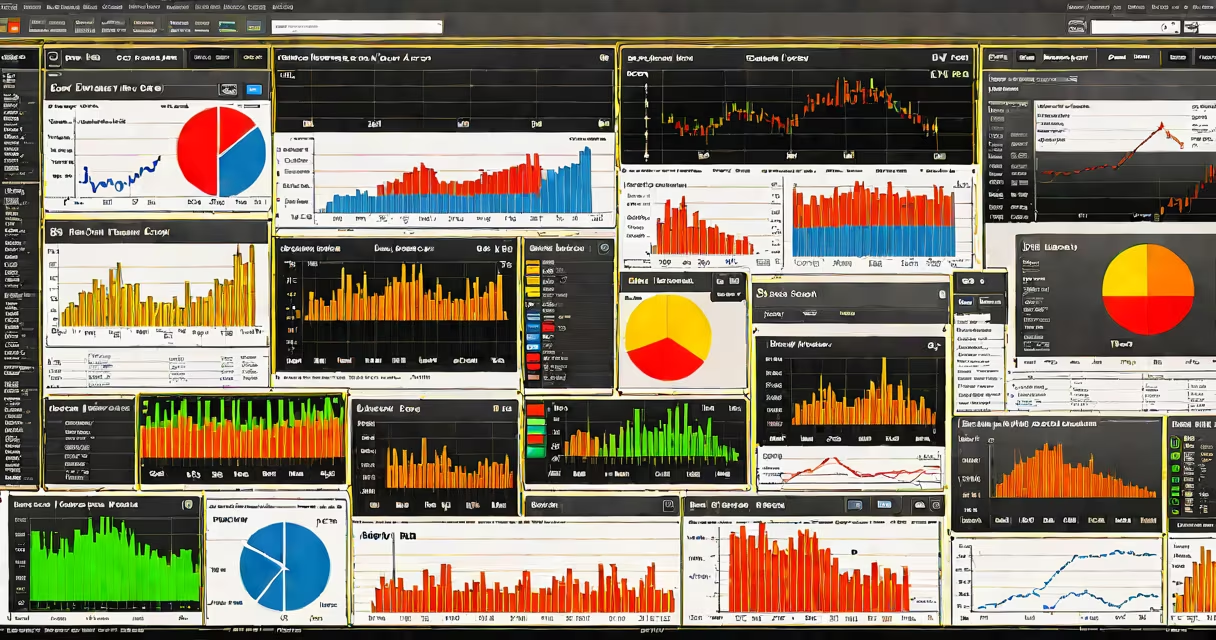
Stock tracking software is a digital tool that monitors investments, analyzes market trends, and generates reports to help users make informed trading decisions. These platforms provide real-time data, historical performance metrics, and predictive analytics to simplify portfolio management.
Most stock tracking software connects to brokerage accounts via APIs to pull live market data. Users input their holdings, and the software tracks price movements, calculates gains/losses, and compares performance against benchmarks. Advanced platforms integrate machine learning algorithms to forecast stock movements based on historical patterns and current events.
Core functionalities include:
| Category | Primary Use Case | Example Platforms |
|---|---|---|
| Desktop applications | Complete analysis with advanced customization | MetaStock, Trade Ideas |
| Web-based platforms | Accessible from any device with internet connection | Bloomberg Terminal, Yahoo Finance |
| Mobile apps | Quick checks and notifications on-the-go | Robinhood, E*TRADE Mobile |
| Brokerage-integrated tools | Smooth trading within existing brokerage accounts | TD Ameritrade Thinkorswim, Fidelity Active Trader Pro |
Individual traders rely on these tools for personal investment strategies, while institutional investors use them to manage large portfolios. Financial advisors employ stock tracking software to monitor client accounts and generate performance reports. Even passive investors benefit from tracking software to monitor index fund performance against market benchmarks.
Many assume these tools only benefit experienced traders, but beginner-friendly options exist with simplified interfaces. Another myth is that stock tracking software guarantees profits - while it provides valuable data, successful investing still requires human judgment. The software's true value lies in helping users make faster, better-informed decisions rather than eliminating the need for research.
Look for platforms that support your specific asset classes (stocks, ETFs, crypto) and offer the technical indicators you prefer. API reliability is important for real-time data, and good software provides excellent customer support for troubleshooting. Some platforms charge monthly fees while others offer free versions with limited features - determine which pricing model fits your budget and usage needs.
According to a 2023 study by Investopedia, 68% of active traders use some form of tracking software, with mobile app usage growing fastest among younger investors. The global market for these tools reached $4.2 billion in 2022 and continues expanding as retail investing becomes more popular.
Some investors prefer using time tracking software adapted for financial purposes, though these lack specialized investment features. Spreadsheet templates offer basic tracking capabilities, while social trading platforms combine tracking with community insights. Each alternative has trade-offs in functionality and ease of use compared to dedicated stock tracking solutions.