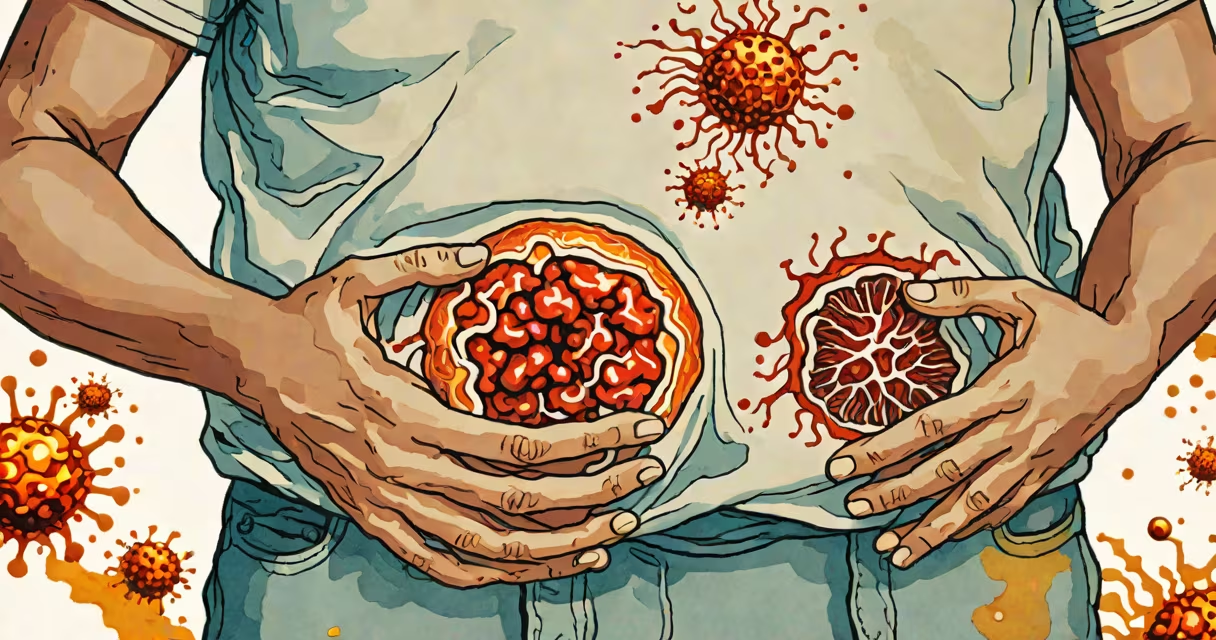
A stomach pain virus is an infection that inflames your digestive tract, causing cramps, nausea, vomiting, and diarrhea. These viruses, often called the "stomach flu," are highly contagious and spread through contaminated food, water, or surfaces.
Viruses like norovirus and rotavirus attack cells in your gut lining, damaging their ability to absorb nutrients and expel waste. This leads to inflammation, fluid loss, and the classic symptoms of viral gastroenteritis. The infection typically lasts 1-3 days, though some strains persist longer.
| Virus | Duration | Key Symptom |
|---|---|---|
| Norovirus | 24-72 hours | Explosive diarrhea |
| Rotavirus | 3-8 days | Severe dehydration |
| Astrovirus | 1-4 days | Mild diarrhea |
Norovirus causes 58% of foodborne illness outbreaks in the U.S., according to the CDC. Rotavirus was the leading cause of severe diarrhea in children before vaccines reduced cases by 90%.
Last winter, my family contracted norovirus from contaminated oysters. Symptoms appeared 24 hours later: violent cramping, projectile vomiting, and watery diarrhea. We isolated, drank electrolyte solutions, and recovered within 48 hours. The CDC recommends washing hands frequently to prevent spread.
Dehydration is the biggest risk. Seek medical care if you experience dry mouth, dizziness, or dark urine. Babies, elderly people, and those with weakened immune systems are most vulnerable. Chronic stomach pain without diarrhea may indicate a different condition, such as bloating (learn more).