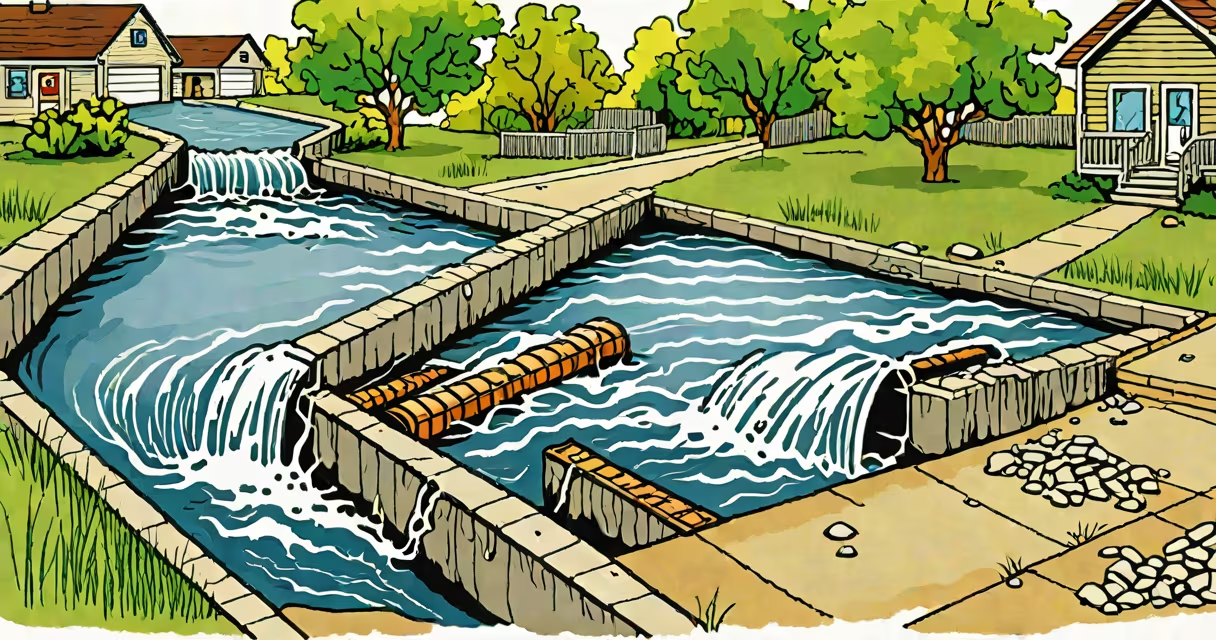
A storm water pollution prevention plan is a written strategy to manage stormwater runoff, reducing contamination from rainwater that flows over surfaces before entering waterways. These plans are required by law for many industries and construction sites to protect local water quality.
These plans identify potential sources of pollution, outline best practices for containment, and detail cleanup procedures. For example, a construction site might use silt fences to trap sediment before it enters nearby streams. The U.S. Environmental Protection Agency (EPA) enforces these requirements under the Clean Water Act.
Every plan includes several key elements:
Federal regulations mandate storm water pollution prevention plans for construction sites disturbing 1 acre or more, as well as certain industrial facilities. For example, a highway construction project must implement a plan to prevent dirt and oil from washing into nearby rivers. Many states have additional requirements.
According to the EPA, urban runoff is a leading source of water pollution in the U.S., contributing harmful substances like heavy metals, nutrients, and bacteria. A well-designed plan can reduce these risks.
Many people confuse stormwater runoff with wastewater from homes and businesses. Unlike wastewater, which is treated before release, stormwater often flows untreated directly into rivers, lakes, and oceans. This untreated water can carry pollutants picked up from roads, parking lots, and rooftops.
Consider a 5-acre residential development site. The developer's storm water pollution prevention plan might include:
| Potential Pollutant | Control Measure |
|---|---|
| Sediment from soil disturbance | Install silt fences around the perimeter |
| Oil from equipment | Use absorbent mats in work areas |
| Chemicals from cleaning | Dispose of waste properly, not in storm drains |
This plan helps rainwater doesn't wash contaminants into nearby water bodies, protecting both aquatic life and drinking water sources.
During a recent visit to a commercial construction site, I observed workers using straw wattles-a type of erosion control product-to stabilize soil along the edges of the property. These simple measures prevented sediment from washing into a nearby creek during heavy rains, demonstrating how effective storm water pollution prevention plans can be when properly executed.