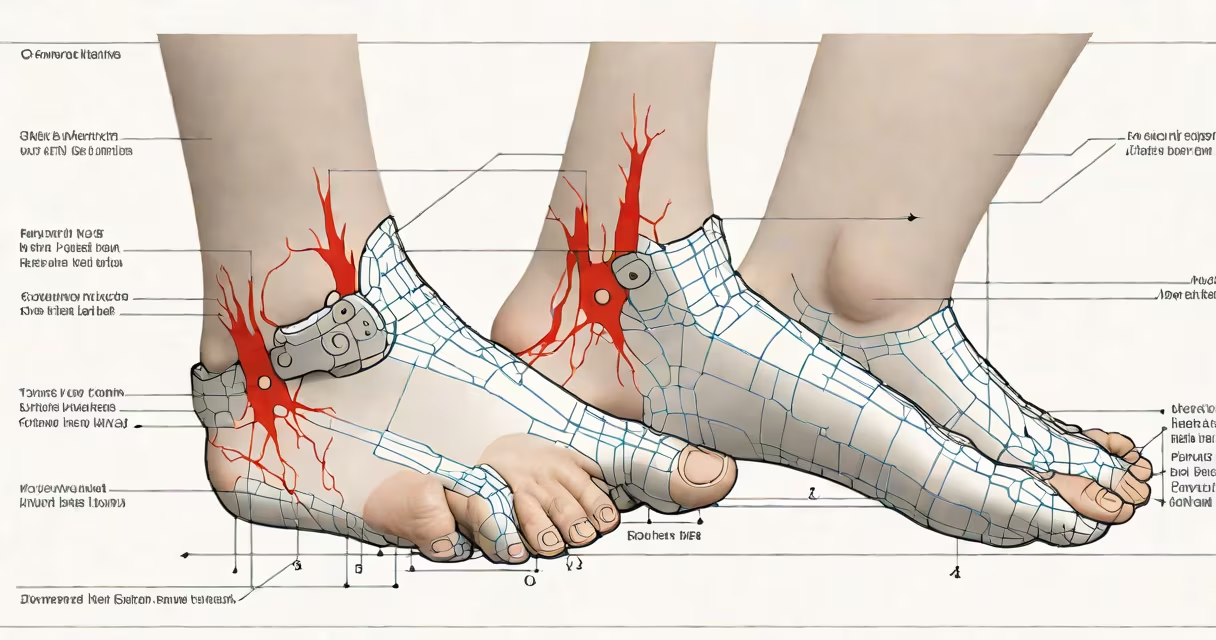
Severe heel pain often stems from plantar fasciitis, a condition where the thick band of tissue connecting your heel bone to your toes becomes inflamed. This typically causes sharp pain near the heel, especially in the morning or after long periods of standing.
Plantar fasciitis accounts for about 80% of heel pain cases, according to the American Academy of Orthopaedic Surgeons. The plantar fascia ligament supports the arch of your foot and absorbs shock. Small tears in this ligament cause inflammation and pain. Other common causes include:
| Type | Location | Characteristics |
|---|---|---|
| Plantar fasciitis | Bottom of the heel | Sharp pain, worse in the morning |
| Heel spur | Bottom or back of heel | Dull ache or piercing sensation |
| Bursitis | Back of heel | Swelling and tenderness |
| Nerve-related pain | Entire heel or specific points | Burning, tingling, or numbness |
Most heel pain improves with home treatment within several months. However, see a podiatrist if:
I once had heel pain that lasted for six months. After trying various home remedies, I visited a podiatrist who diagnosed plantar fasciitis and recommended custom orthotics, which improved my condition.
Many people assume heel pain is just part of aging or that it will go away on its own. While some cases resolve without treatment, persistent pain often requires intervention. Another misconception is that high-impact exercises like running always worsen heel pain. In reality, proper footwear and gradual conditioning can help prevent and manage pain during such activities.
Most heel pain responds well to conservative treatments. The American Orthopaedic Foot & Ankle Society recommends:
For persistent cases, medical treatments may include:
Maintain a healthy weight to reduce stress on your feet. Wear supportive shoes with good arch support and avoid walking barefoot on hard surfaces. Regular stretching exercises for your calves and feet can also help prevent heel pain.