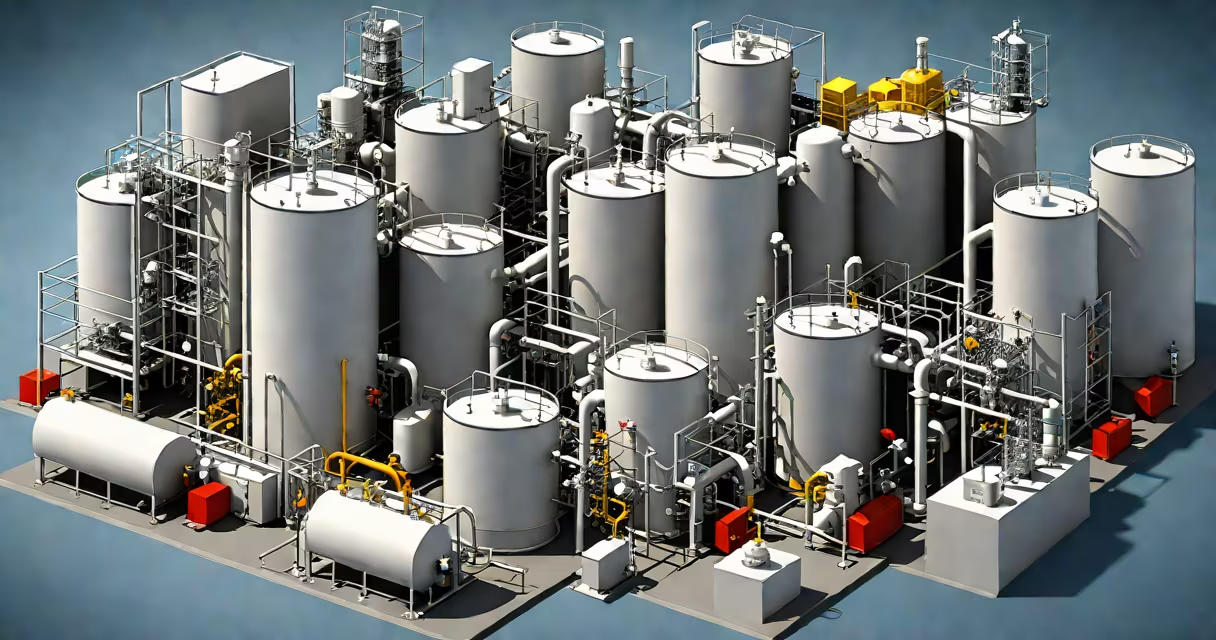
A thermal energy stock is a system that stores heat or cold for later use, typically to balance energy supply and demand in power grids. These systems absorb excess energy during low-demand periods and release it when demand peaks, improving grid stability and efficiency.
Thermal energy stocks operate by converting electrical energy into thermal energy, storing it in a medium, and converting it back to electricity when needed. The process involves three main stages: charging, storing, and discharging.
During charging, excess electricity generates heat, which is stored in materials like molten salts, water, or phase-change materials. When electricity demand rises, the stored heat is converted back into electricity using steam turbines or other generators.
Thermal energy stocks come in several forms, each suited to different applications:
| Type | Storage Medium | Typical Use Case |
|---|---|---|
| Sensible Heat Storage | Molten salts, water, rocks | Concentrated solar power plants |
| Latent Heat Storage | Phase-change materials (e.g., paraffin wax) | Industrial waste heat recovery |
| Thermochemical Storage | Chemical reactions (e.g., hydrogen and oxygen) | Long-duration energy storage |
Thermal energy stocks are important for integrating renewable energy sources like solar and wind into the grid. They store excess energy produced during peak generation times and release it during periods of low renewable output, ensuring a steady power supply.
These systems also improve grid stability by reducing the need for fossil fuel-based peaker plants, which are often used to meet sudden spikes in demand. According to the U.S. Department of Energy, thermal energy storage can reduce greenhouse gas emissions by up to 50% compared to conventional peaking plants.
Many people confuse thermal energy stocks with battery storage systems. While both store energy, thermal systems focus on heat, making them ideal for large-scale, long-duration storage. Batteries, however, store electrical energy directly and are better suited for short-term storage needs.
Another misconception is that thermal energy stocks are only useful for power generation. However, they also play a significant role in industrial processes, such as manufacturing and heating, where stored heat can be used directly without conversion to electricity.
The Crescent Dunes Solar Energy Project in Nevada is a prime example of thermal energy storage in action. This facility uses molten salt to store solar energy, allowing it to generate electricity even when the sun isn't shining. The project can store up to 10 hours of full-load energy, providing a reliable power supply to thousands of homes.
I visited the Crescent Dunes site during a tour of renewable energy projects in the Southwest. Seeing the vast range of mirrors focusing sunlight onto the central tower was impressive, but the real innovation lies in the thermal storage system that makes this round-the-clock power generation possible.
A thermal energy stock is a important component in modern energy systems, enabling efficient energy management and supporting the integration of renewable energy sources. By storing excess heat for later use, these systems improve grid stability, reduce emissions, and provide a reliable power supply. As the demand for clean energy continues to grow, thermal energy stocks will play an increasingly important role in shaping the future of energy.