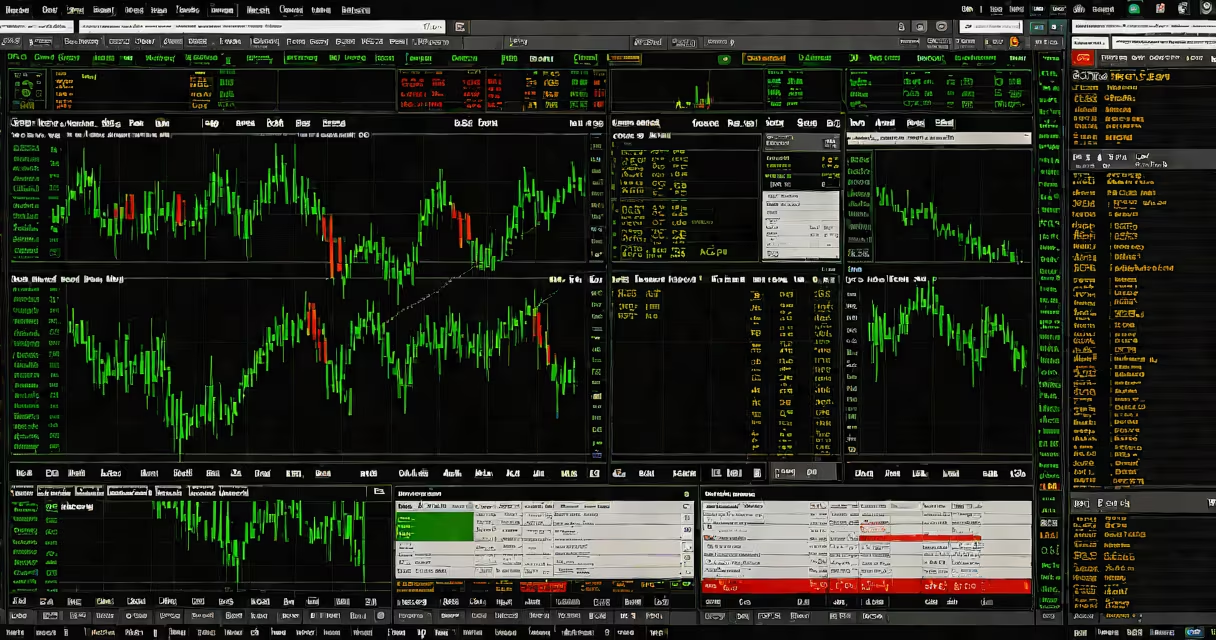
A thinkorswim pattern day trader is a trader who executes four or more day trades within five business days in a margin account, triggering FINRA's pattern day trader (PDT) rule. This designation requires maintaining a minimum account balance of $25,000.
The PDT rule, enforced by FINRA, limits the number of day trades a margin account holder can execute unless they meet specific financial requirements. A day trade occurs when a trader buys and sells the same security on the same trading day.
If a trader executes four or more day trades within five business days, their account is flagged as a pattern day trader. From that point onward, the trader must maintain a minimum account balance of $25,000 at all times. If the account balance falls below this threshold, the trader is restricted from executing further day trades until the balance is restored.
Day traders fall into two primary categories:
| Type | Description | Minimum Balance Requirement |
|---|---|---|
| Non-Pattern Day Trader | Traders who execute three or fewer day trades within five business days. | $0 |
| Pattern Day Trader | Traders who execute four or more day trades within five business days. | $25,000 |
The PDT rule was introduced to protect traders from the risks associated with excessive day trading. Day trading involves significant risk, and the rule aims to ensure that traders have sufficient capital to absorb potential losses. According to FINRA, the rule helps prevent traders from overleveraging their accounts and facing substantial financial losses.
For example, if a trader with a small account balance engages in frequent day trading, they may quickly deplete their funds during a market downturn. The $25,000 minimum balance requirement acts as a safeguard, ensuring that traders have a financial cushion to absorb losses.
One common misconception is that the PDT rule applies to cash accounts. However, the rule only applies to margin accounts. Cash accounts are not subject to the PDT rule because traders in cash accounts must wait for trades to settle before using the proceeds for new trades, which inherently limits the frequency of day trades.
Another misconception is that the PDT rule applies to all types of trading. In reality, it specifically targets day trading. Swing trading, position trading, and other forms of trading are not subject to the PDT rule.
When I first started using the thinkorswim platform, I was unaware of the PDT rule. After executing four day trades within a week, my account was flagged, and I had to ensure my balance remained above $25,000. This experience highlighted the importance of understanding the rules and regulations associated with day trading.
To avoid being classified as a pattern day trader, some traders use multiple brokerage accounts to spread out their day trades. However, this strategy is risky and may not be effective in the long run. It's important to understand the risks and adhere to the rules set by regulatory authorities.