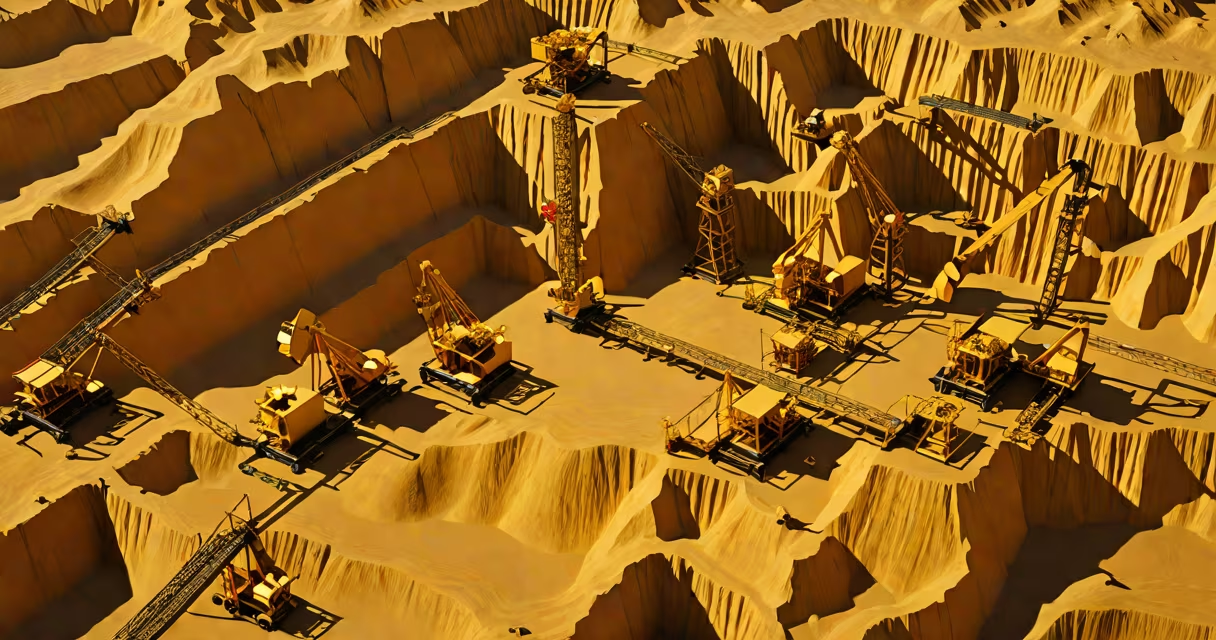
The top gold producers in the world are nations and corporations that extract over 3,000 metric tons of gold annually. These entities operate large-scale mines using advanced techniques to uncover and process gold deposits.
Gold mining involves extracting gold-bearing ore from underground or open-pit mines. The ore is then processed through crushing, grinding, and chemical treatments to separate gold from other minerals. The most common methods include cyanide leaching and gravity separation.
Gold producers fall into two primary categories: national producers and corporate producers. National producers are countries with significant gold reserves and mining operations, while corporate producers are multinational companies that operate mines globally.
| Type | Examples | Annual Production (Metric Tons) |
|---|---|---|
| National Producers | China, Australia, Russia | 400-500 |
| Corporate Producers | Barrick Gold, Newmont Corporation | 100-200 |
Gold is mined in various regions worldwide, with significant deposits found in countries like China, Australia, Russia, the United States, and South Africa. These regions are chosen for their high gold concentrations and favorable geological conditions. Gold mining is important for economic development, job creation, and meeting global demand for jewelry, electronics, and investment.
For instance, China is the world's largest gold producer, contributing around 13% of global output. The country's large-scale mining operations and extensive gold reserves make it a key player in the gold market. Similarly, Australia's Super Pit in Kalgoorlie is one of the largest open-pit gold mines, producing over 30 tons of gold annually.
One common misconception is that gold is primarily found in rivers and streams. While placer mining (extracting gold from waterways) was significant in the past, modern gold production primarily relies on large-scale mining operations. Another myth is that gold mining is always destructive to the environment. While it can have environmental impacts, responsible mining practices and reclamation efforts mitigate these effects.
According to the U.S. Geological Survey, global gold production has increased steadily over the years, with advancements in technology and exploration methods playing a significant role., the World Gold Council reports that recycled gold contributes to about one-third of the total gold supply, highlighting the importance of sustainable practices.
During a visit to a gold mine in Nevada, I observed the complex process of extracting and processing gold. The mine used a combination of drilling, blasting, and hauling to remove gold-bearing ore. The ore was then transported to a processing plant where it underwent crushing, grinding, and cyanide leaching to separate the gold. The efficiency and scale of the operation were impressive, showcasing the technological advancements in modern gold mining.
The top gold producers in the world play a important role in meeting global demand for gold. Through advanced mining techniques and responsible practices, these producers contribute to the economy and various industries. Understanding the processes and impacts of gold production is essential for appreciating its value and importance in today's world.