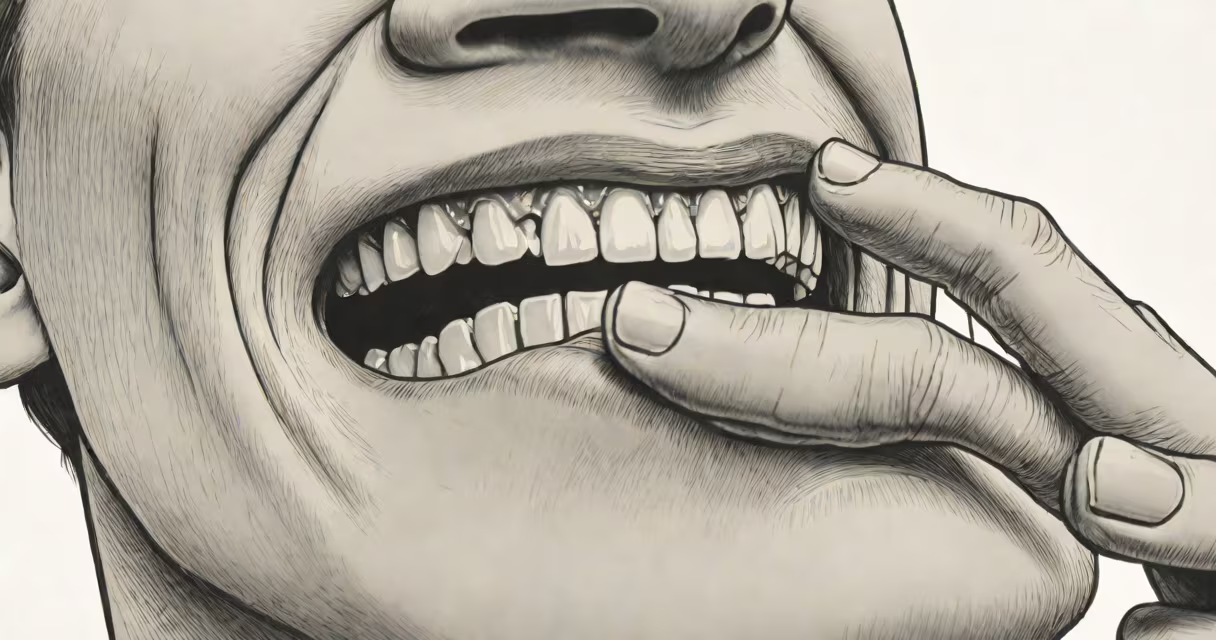
Pain in your top right teeth often stems from decay, gum disease, or sinus pressure. The upper-right molar (tooth #3) is especially vulnerable due to its large size and multiple roots.
Tooth decay ranks as the leading cause of upper-right tooth pain. According to the National Institute of Dental and Craniofacial Research, 92% of adults aged 20-64 have had cavities. A cavity exposes nerves, triggering sharp pain when chewing or drinking hot/cold liquids.
Other causes include:
Dentists use visual exams, X-rays, and thermal tests to locate pain sources. A cold spray identifies problematic teeth - healthy ones won't react. For sinus-related pain, dentists check for tenderness along cheekbones.
I once had a patient who thought her top right tooth was decaying. We discovered the pain actually came from a sinus infection - treating that resolved the tooth pain completely.
| Symptom | Action |
|---|---|
| Persistent pain lasting >2 days | Schedule appointment |
| Swollen gums or jaw | See dentist immediately |
| Fever with tooth pain | Emergency dental visit |
Rinsing with warm salt water reduces inflammation, while clove oil numbs pain temporarily. However, these don't address root causes. Professional treatments include:
If your teeth hurt when you eat, try avoiding extreme temperatures until seeing a dentist. Pain during meals often signals advanced decay or exposed roots.
Maintain proper oral hygiene with twice-daily brushing and daily flossing. Use fluoride toothpaste and replace toothbrushes every 3 months. Regular dental checkups catch problems early - the American Dental Association recommends visits every 6 months.
For persistent upper-right tooth pain, schedule a dental appointment. Untreated issues worsen over time, potentially requiring more invasive treatments later.