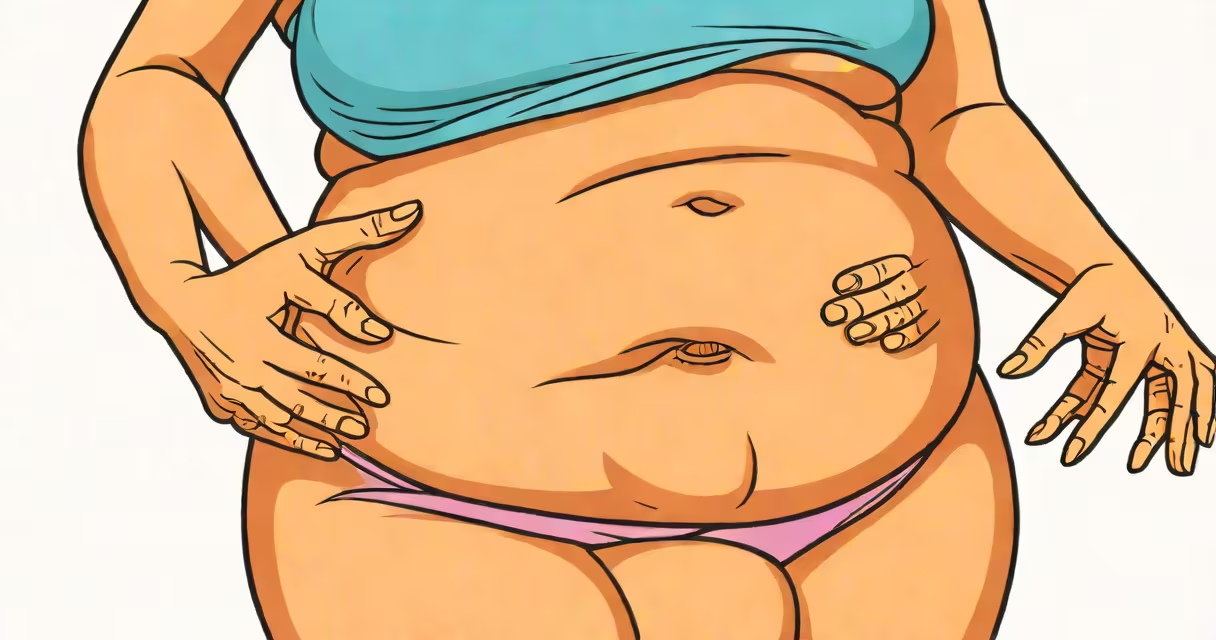
A urinary tract infection (UTI) can cause a bloated belly due to pressure on the bladder and nearby organs, though severe bloating may indicate a kidney infection. The most common symptom of a UTI is frequent, painful urination.
When bacteria infect the urinary tract, the body responds with inflammation. This swelling puts pressure on the bladder and surrounding organs, creating a feeling of fullness or bloating. The bloating usually occurs in the lower abdomen, near the bladder.
In some cases, a UTI spreads to the kidneys, causing more intense bloating along with flank pain, fever, nausea, and vomiting. Kidney infections require immediate medical attention.
| Type | Location | Common Symptoms |
|---|---|---|
| Cystitis | Bladder | Frequent urination, pelvic pressure, cloudy urine |
| Urethritis | Urethra | Burning during urination, discharge |
| Pyelonephritis | Kidneys | Fever, flank pain, nausea, severe bloating |
While UTIs can cause bloating, other conditions may create similar symptoms. Irritable bowel syndrome (IBS), food intolerances, and menstrual cycles often lead to bloating. Unlike a UTI, these causes typically do not include urinary pain or frequency.
Bloating from a UTI usually resolves within a few days of treatment. If bloating persists or worsens, see a doctor to rule out other conditions.
Seek medical attention if bloating accompanies any of the following UTI symptoms:
Antibiotics typically clear a UTI within a few days. Drinking plenty of water and taking over-the-counter pain relievers can help manage symptoms until treatment takes effect.
I once mistook UTI-related bloating for digestive issues, delaying proper treatment. Recognizing the connection between UTI symptoms and bloating helped me seek faster relief in the future.
For more on bloated belly causes and bloated belly cramps, explore our guides on digestive health.