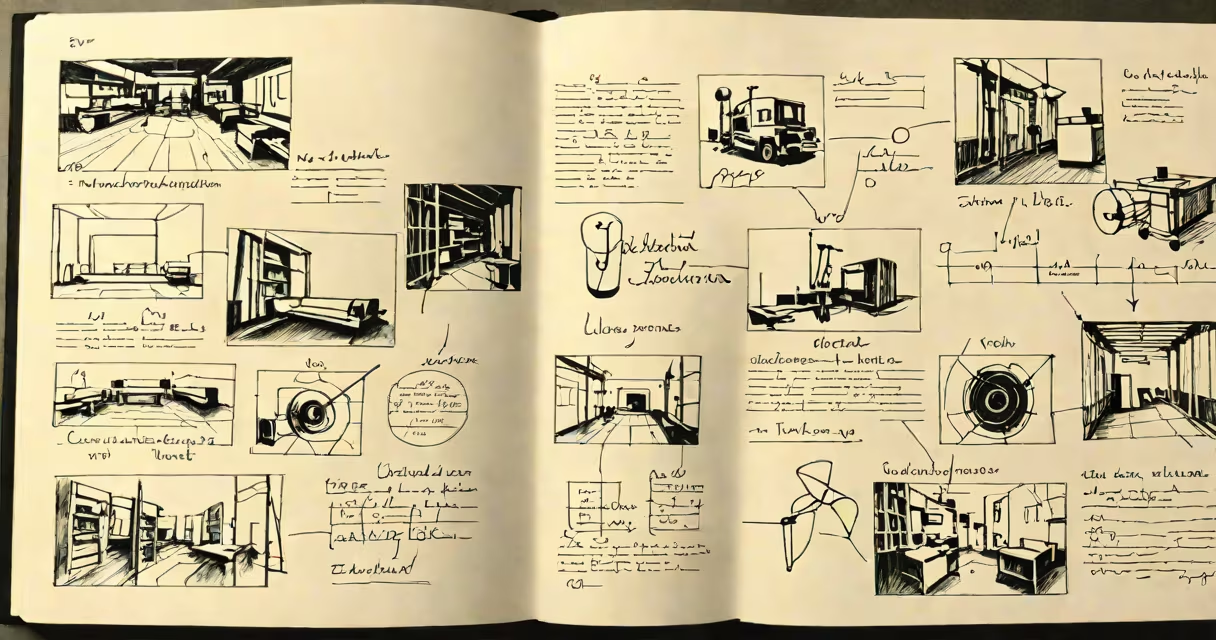
A visual communications course teaches how to create and interpret visual content to convey ideas effectively. These courses combine graphic design principles, typography, and layout techniques to improve communication.
Most courses follow a structured curriculum that begins with foundational design principles, such as color theory, composition, and typography. Students then progress to software training, learning industry-standard tools like Adobe Photoshop, Illustrator, and InDesign. Projects often involve creating posters, infographics, and branding materials.
For example, a typical assignment might require students to design a poster for a fictional event. They would research the event's theme, choose appropriate colors and fonts, and arrange elements to create a visually appealing and informative design. This hands-on approach ensures students understand both the creative and strategic aspects of visual communication.
Visual communications courses cover several key areas:
Visual communications are used across various industries, including advertising, marketing, education, and social media. Businesses rely on compelling visuals to attract customers, while educators use visual aids to improve learning. For instance, a marketing campaign for a new product might use eye-catching graphics and videos to capture attention and convey key features.
One common misconception is that visual communications are purely artistic. While creativity is important, these courses also emphasize strategy and problem-solving. Students learn to tailor their designs to specific audiences and goals, making visual communications a blend of art and science.
Some people believe that visual communications are only about creating beautiful images. However, the field also involves understanding audience psychology, cultural context, and technical constraints. For example, a designer working on a mobile app must ensure their visuals are clear and functional on small screens, not just visually appealing.
Another mistake is assuming that visual communications are only for designers. Professionals in many fields, use visuals to explain complex concepts. A well-designed infographic can make data more accessible and engaging, regardless of the industry.
During my time in a visual communications course at the University of Rochester, I worked on a project to redesign the university's sustainability campaign materials. The goal was to make the information more engaging and actionable for students. Through research and iteration, we developed posters and social media graphics that increased student participation in recycling programs by 20%. This experience highlighted the power of visual communication in driving real-world change.