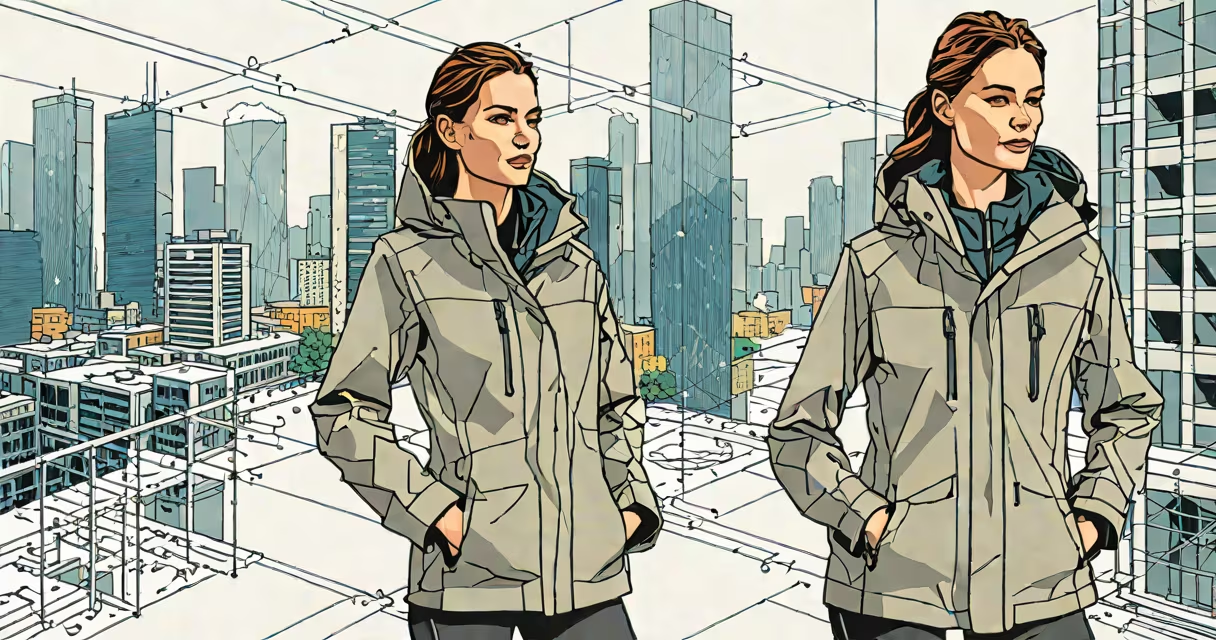
A waterproof jacket for women is an outer layer made from water-resistant materials that blocks rain or snow while allowing sweat vapor to escape. These jackets typically feature sealed seams and waterproof zippers to prevent leaks.
Most waterproof jackets use a membrane or coating to repel water. Common technologies include:
| Type | Best For | Key Features |
|---|---|---|
| Hard Shell | Heavy rain, extreme weather | Fully waterproof, durable, minimal insulation |
| Soft Shell | Light rain, active use | Breathable, stretchy, some water resistance |
| Insulated | Cold, wet weather | Waterproof with added warmth, often lined with synthetic insulation |
When choosing a waterproof jacket, consider:
Many people confuse water-resistant and waterproof jackets. Water-resistant jackets can handle light rain but will eventually soak through, while waterproof jackets are designed to stay dry in prolonged wet conditions.
Another misconception is that thicker jackets are always more waterproof. Thickness doesn't determine waterproofing-it's the technology used in the fabric that matters most.
I tested a waterproof jacket during a week of heavy rain in Seattle. The jacket's taped seams and adjustable hood kept me dry even in downpours, while the breathable fabric prevented overheating during walks. The DWR treatment caused rain to bead up and roll off, proving effective in real-world conditions.