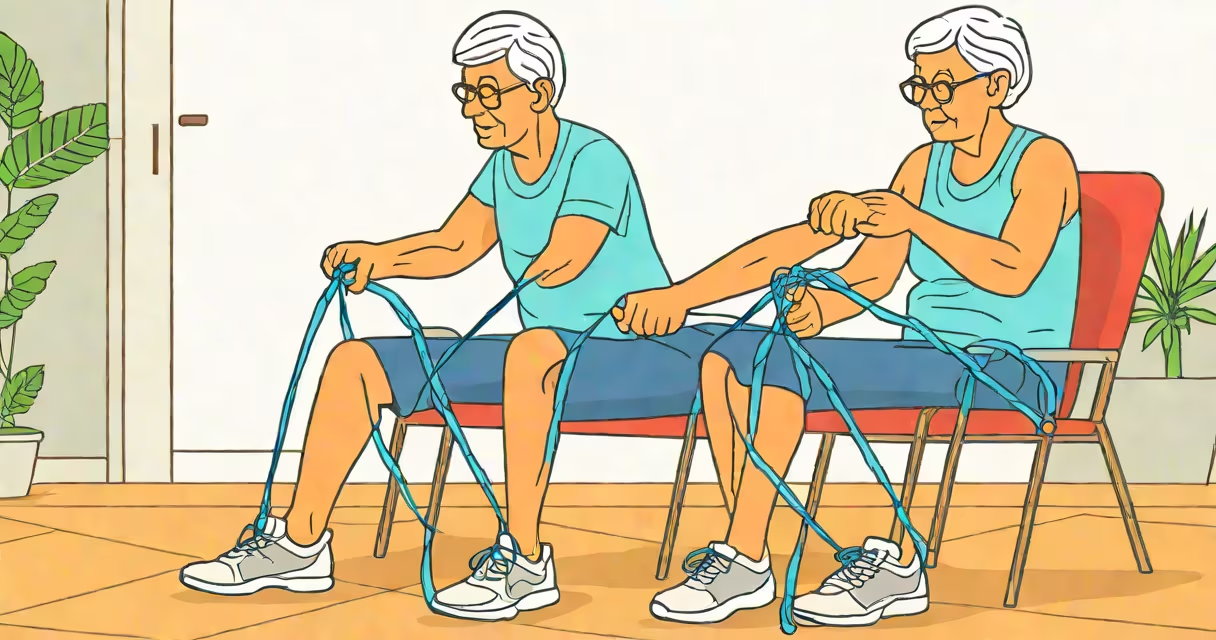
Weak legs in elderly adults occur primarily due to age-related muscle loss (sarcopenia), which reduces strength, balance, and mobility. This condition affects about 10% of adults over 50 and increases to 50% by age 80.
After age 30, adults lose 3-8% of muscle mass per decade, accelerating after 60. This decline happens because muscles receive fewer growth signals and repair more slowly. Weakness typically appears first in the lower legs, making walking, standing, and climbing stairs difficult.
The primary cause is sarcopenia, but other factors contribute:
Many assume weakness is inevitable, but research shows resistance training can reverse 30-50% of muscle loss. Another myth is that weakness only affects the elderly-it begins decades earlier.
Exercise is the most effective treatment. A study in the Journal of Gerontology found that seniors who did resistance training twice weekly regained lost strength. Other strategies include:
I've seen firsthand how targeted exercises help. A client in their 70s improved stair-climbing ability by 40% in three months through resistance band workouts.
Consult a physician if weakness appears suddenly, causes falls, or persists despite exercise. Conditions like peripheral artery disease or neurological disorders may require medical treatment.