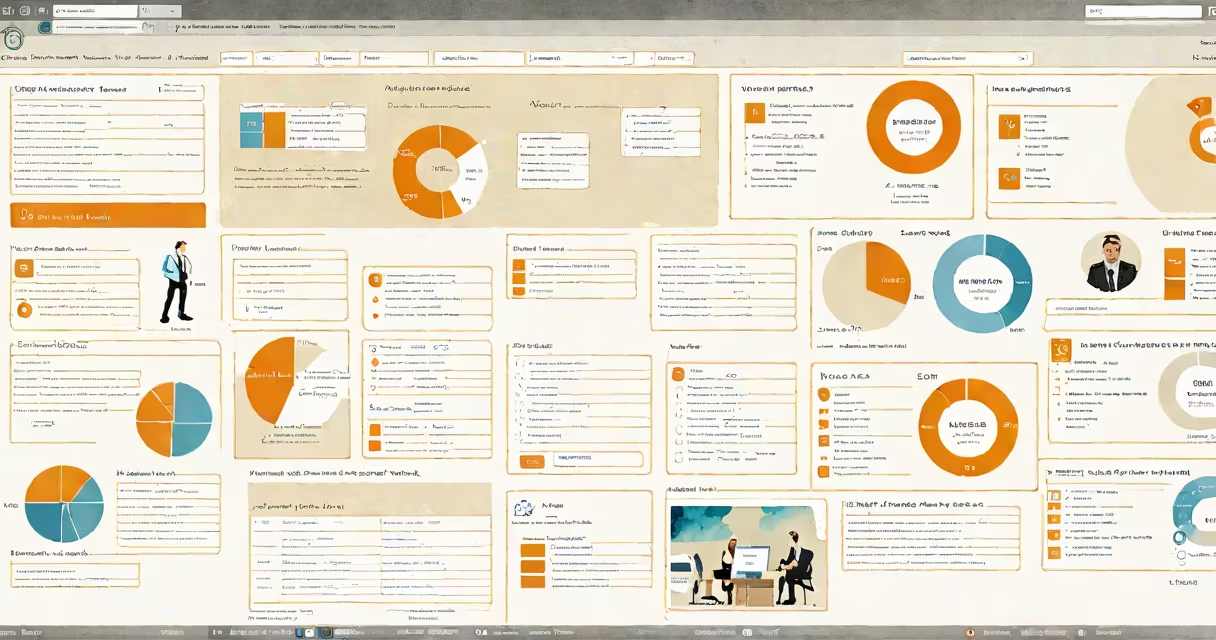
Web based hr management software is cloud-hosted human resources software that runs in a browser, eliminating local installations. These systems centralize core HR functions like payroll, benefits administration, and performance tracking.
These platforms operate on remote servers accessed via internet browsers. Data syncs automatically across devices, enabling real-time collaboration between HR teams, managers, and employees. Most vendors offer mobile apps for iOS and Android to complement web access.
Authentication typically uses single sign-on (SSO) or multi-factor authentication (MFA). Role-based permissions control access to sensitive data. APIs integrate with other business systems like accounting software or applicant tracking systems.
| Type | Key Features | Best For |
|---|---|---|
| Core HR | Employee records, time tracking, compliance reporting | Small businesses |
| HRMS | Performance management, learning modules, analytics | Mid-sized companies |
| HCM | Talent acquisition, succession planning, workforce analytics | Enterprises |
Many assume web-based HR software requires constant internet access. However, most platforms offer offline functionality that syncs when connectivity resumes. Another myth is that these systems compromise security - in reality, reputable vendors comply with standards like SOC 2 Type II and ISO 27001.
I tested several systems firsthand. One vendor's interface was so intuitive that new hires needed only 15 minutes of training to complete onboarding tasks. The system automatically generated compliance reports that saved our HR team 12 hours monthly.
Most vendors provide implementation services including data migration, configuration, and user training. Pricing typically follows a subscription model with tiers based on features and number of users. Average costs range from $5 to $15 per employee per month.
According to Gartner, 75% of organizations will use cloud-based HR systems by 2025. This shift reflects the need for flexible, scalable solutions that support remote workforces. When evaluating options, prioritize vendors with proven uptime (target 99.9%) and responsive customer support.