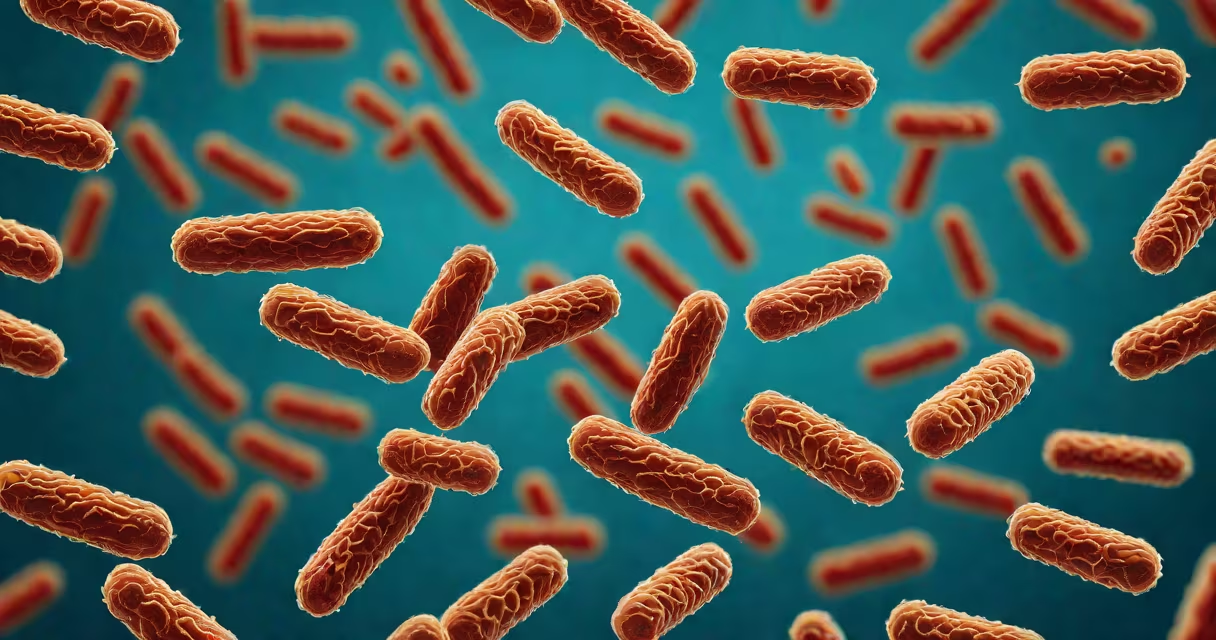
Typhoid fever is a life-threatening illness caused by the bacterium Salmonella Typhi, spreading through contaminated food or water and causing high fever, weakness, and abdominal pain.
The bacteria enter the body through the mouth and multiply in the small intestine. They then invade the bloodstream, spreading throughout the body. The immune system responds by creating antibodies, but the infection can persist for weeks if untreated.
Typhoid typically progresses in stages:
Paratyphoid fever, caused by related bacteria, has similar but milder symptoms.
Typhoid remains a significant health threat in developing countries with poor sanitation. The World Health Organization estimates 11 million cases annually, primarily in South Asia and sub-Saharan Africa. It spreads through fecal contamination of water supplies, often due to inadequate sewage treatment.
Many confuse typhoid with food poisoning or the flu. Unlike food poisoning, typhoid develops slowly over several days. It's not a virus but a bacterial infection requiring specific antibiotics like ceftriaxone or azithromycin. Untreated, it can lead to severe complications such as intestinal bleeding or perforation.
In 2004, a typhoid outbreak in the UK traced to imported coriander sickened over 600 people. Investigators linked the contamination to irrigation water in Spain, showing how far typhoid can spread through global food chains.
Typhoid fever remains a critical public health concern, especially in regions with limited access to clean water. Recognizing symptoms early and seeking medical treatment can prevent severe outcomes. Vaccination and improved sanitation are key to reducing its spread.