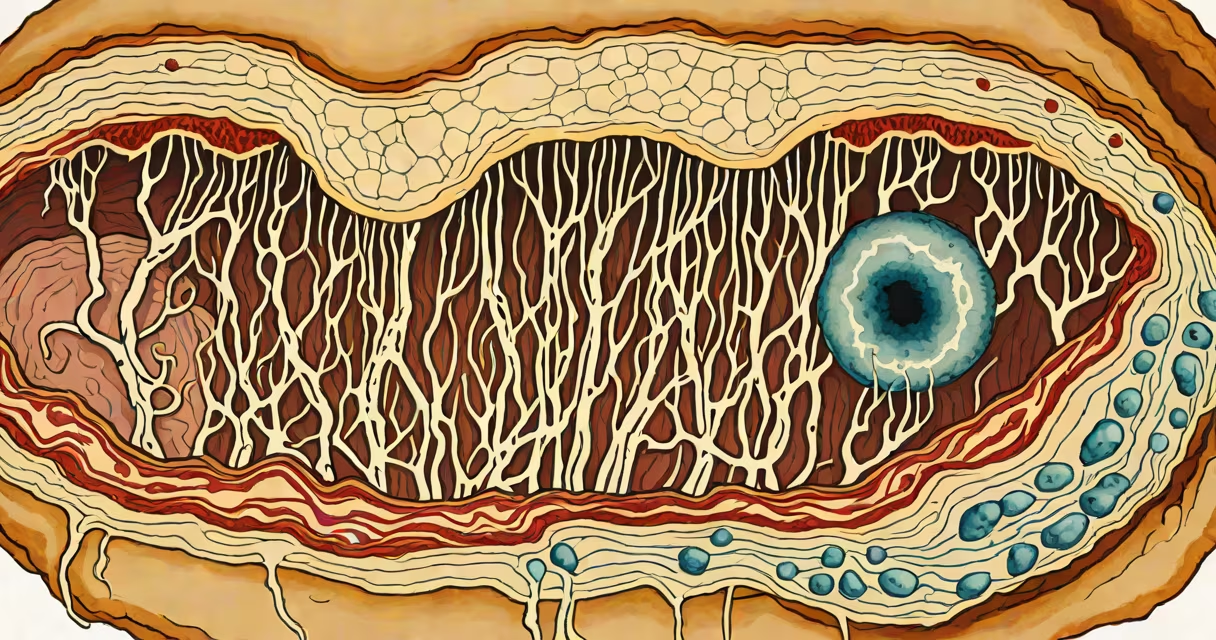
Follicular cysts are fluid-filled sacs that develop within hair follicles, typically appearing as small, movable lumps beneath the skin. These cysts form when the hair follicle becomes blocked or damaged, leading to the buildup of keratin, a protein found in skin, hair, and nails.
Follicular cysts arise when the hair follicle's opening is obstructed, causing keratin and other cellular debris to accumulate. This blockage can result from various factors, including:
The trapped material forms a sac-like structure, which may continue to grow over time. Unlike pimples, which are temporary, follicular cysts are persistent and can range in size from a few millimeters to several centimeters.
Follicular cysts can be categorized into different types based on their composition and location. The most common types include:
| Type | Description | Common Locations |
|---|---|---|
| Epidermal Cyst | Contains keratin and forms within the epidermis | Face, neck, trunk |
| Sebaceous Cyst | Arises from sebaceous glands and contains oily material | Scalp, face, back |
| Pilar Cyst | Linked to hair follicles and filled with keratin | Scalp, primarily |
While these terms are sometimes used interchangeably, they refer to distinct types of cysts with different origins and characteristics.
Many people confuse follicular cysts with other types of skin growths, such as lipomas or abscesses. However, follicular cysts are distinct because they originate from hair follicles and contain keratin or sebum. Unlike lipomas, which are made of fatty tissue, follicular cysts are lined with epithelial cells and can recur if not properly treated.
Follicular cysts are usually harmless and may not require treatment if they are small and asymptomatic. However, if a cyst becomes inflamed, infected, or bothersome, medical intervention may be necessary. Common treatment options include:
In some cases, a healthcare provider may recommend removing the entire cyst to prevent it from returning. This procedure is typically performed under local anesthesia and involves making a small incision to extract the cyst.
For more information on skin cysts, including their causes and treatments, visit our guide on cysts under the skin.