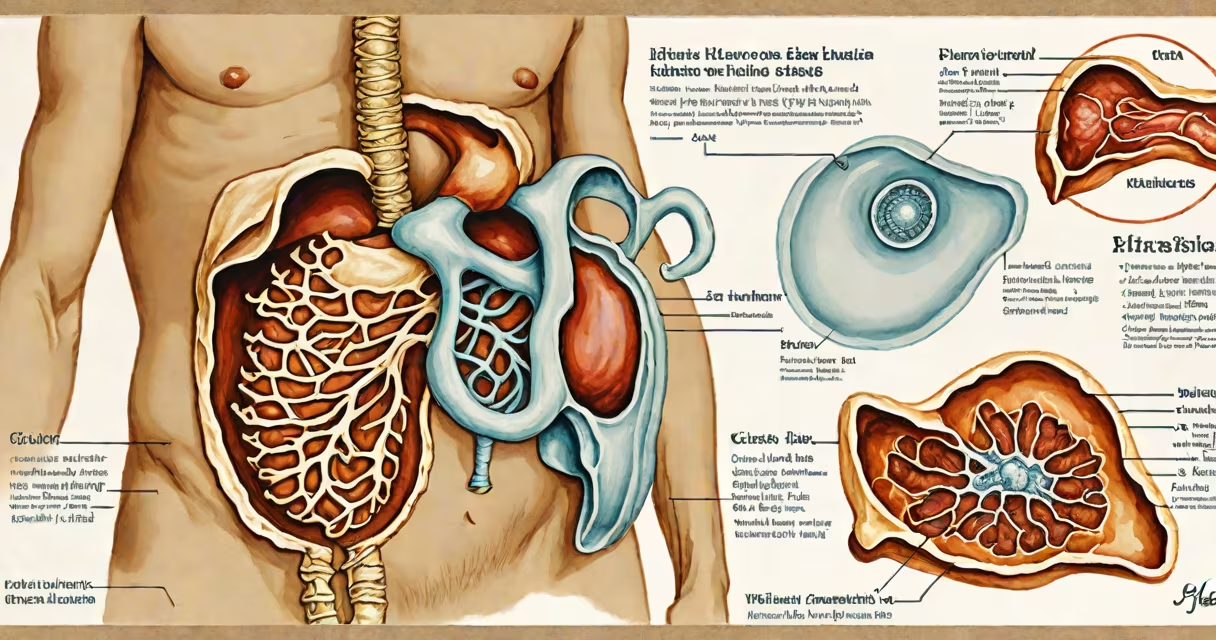
A hiatus hernia occurs when part of the stomach pushes through the diaphragm's opening (hiatus) into the chest cavity. This typically happens due to weakened or stretched muscles around the hiatus.
The most common causes are:
Certain conditions increase susceptibility:
| Risk Factor | Mechanism | Prevention |
|---|---|---|
| Obesity | Excess abdominal fat increases intra-abdominal pressure | Maintain healthy weight through diet and exercise |
| Smoking | Chronic coughing and weakened tissues from nicotine | Quit smoking and avoid secondhand smoke |
| Pregnancy | Expanded uterus places pressure on diaphragm | Monitor weight gain and practice safe exercises |
Many people confuse hiatus hernias with gastroesophageal reflux disease (GERD). While they often occur together, they're distinct conditions. A hernia involves physical displacement of organs, while GERD is acid backflow. Some patients have one without the other.
Another myth is that hernias always cause pain. Many are asymptomatic, discovered incidentally during medical imaging for unrelated issues. Symptoms like heartburn or chest pain may develop if acid reflux occurs through the enlarged hiatus.
Doctors typically diagnose hernias using endoscopy or barium swallow tests. Treatment varies by severity:
I once helped a patient who experienced chronic heartburn for years. After diagnostic tests revealed a small hiatus hernia, dietary changes and medication eliminated their symptoms completely.
Consult a doctor if you experience:
While many hernias don't require treatment, complications like strangulation (where blood supply is cut off) can be life-threatening. Early diagnosis improves outcomes.