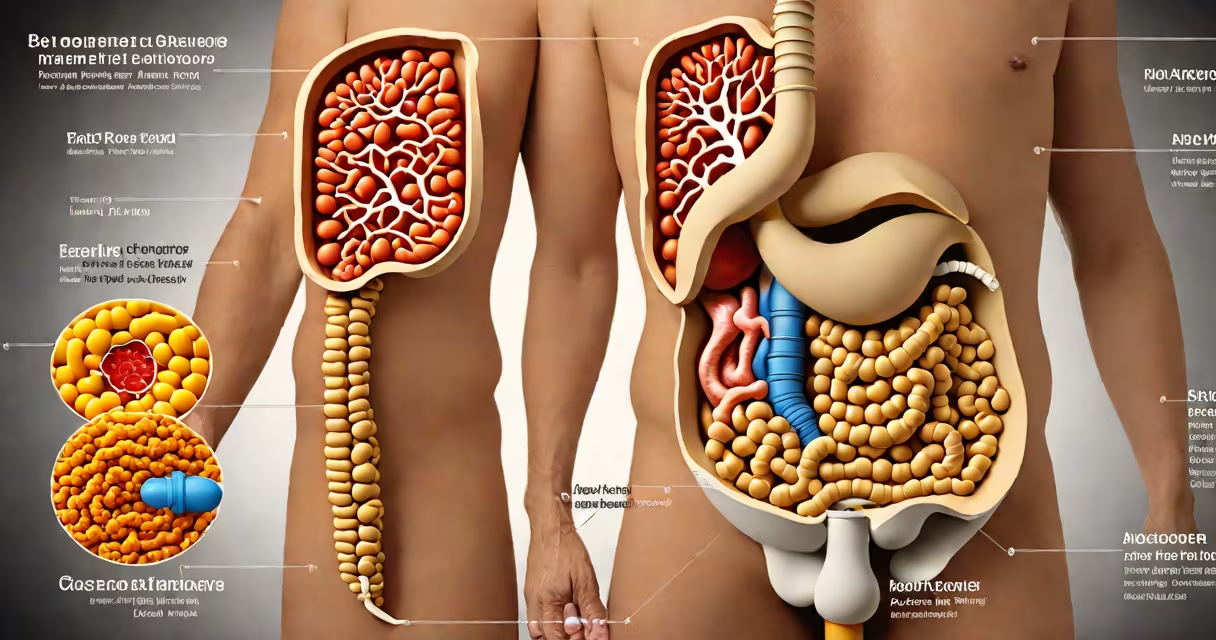
Farting occurs when gas builds up in your digestive system and escapes through the anus. This happens because swallowed air, digestion, and gut bacteria produce gases like nitrogen, hydrogen, carbon dioxide, and methane.
Your digestive system constantly produces gas during normal digestion. When you eat, food travels through your stomach and intestines, where enzymes and bacteria break it down. This process releases gases as byproducts. Most of these gases are odorless, but bacteria in your colon produce smelly compounds like hydrogen sulfide.
Gas can build up in your stomach and intestines until it finds a way out, either by burping or farting. On average, people fart 14 times a day, though this can vary widely between individuals.
Certain foods are more likely to cause gas because they contain carbohydrates that are hard to digest. These include:
Several factors influence how much someone farts, including:
People often confuse farting with other digestive issues, such as bloating or excessive burping. While these can be related, they are not the same. Bloating feels like fullness or swelling in the abdomen, while burping releases gas from the stomach rather than the intestines.
For example, if someone eats a large bowl of beans for lunch, the raffinose in the beans will travel to the large intestine, where bacteria will break it down and produce gas. This person might experience increased farting later in the day as the gas is expelled.
Most farting is normal, but excessive gas with pain, diarrhea, or bloody stools may indicate a digestive issue. If someone experiences these symptoms frequently, they should consult a doctor. According to the Mayo Clinic, persistent digestive symptoms could signal conditions like celiac disease or inflammatory bowel disease.
While farting is a normal part of digestion, understanding what causes it can help manage discomfort. Adjusting your diet, eating slowly, and avoiding carbonated drinks can reduce excessive gas. For more serious concerns, consulting a healthcare professional is essential.