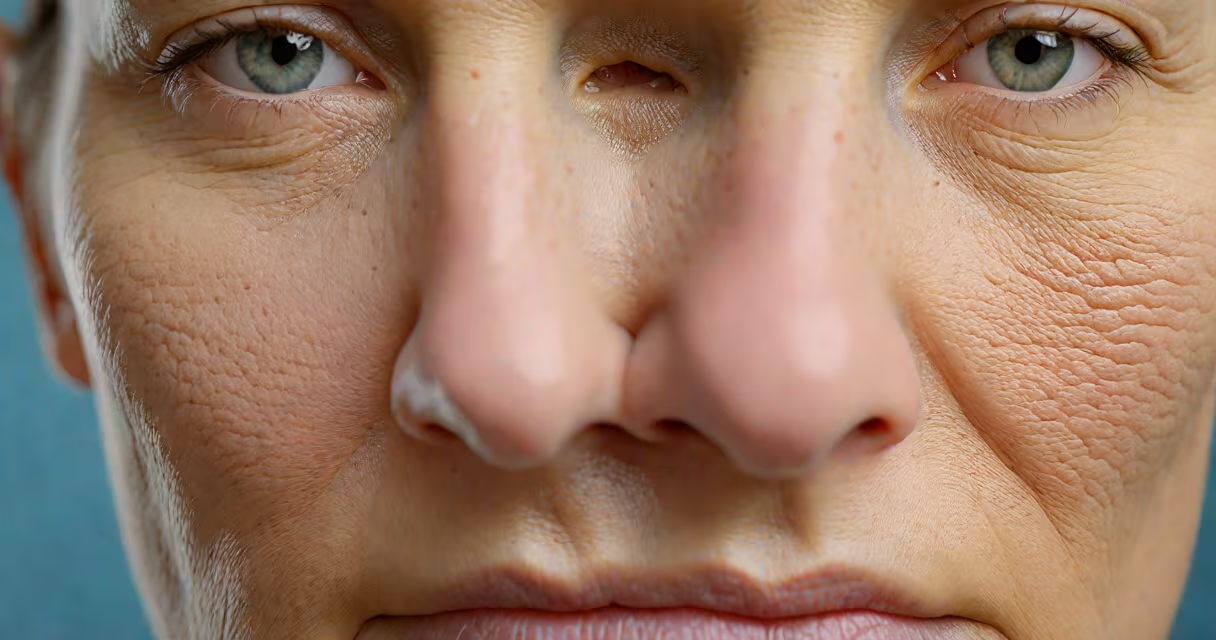
Scleroderma on the face typically appears as thickened, shiny skin around the mouth and nose, often with a puckered appearance. This autoimmune disease causes the body to produce too much collagen, leading to hardening and tightening of the skin.
The most noticeable facial changes occur in the skin around the mouth and nose. The lips may appear small and pursed, and the skin may look shiny and taut. Some people develop a mask-like appearance, with reduced ability to express emotions through facial movements.
| Type | Main Characteristics | Common Locations |
|---|---|---|
| Limited scleroderma | Thickened skin below the waist, often affecting fingers and face | Face, hands, lower legs |
| Diffuse scleroderma | Rapid thickening of skin above and below waist | Entire body including face |
Beyond skin changes, scleroderma can cause:
Doctors diagnose scleroderma through physical exams, blood tests, and sometimes biopsies. While there's no cure, treatments focus on managing symptoms:
A common misconception is that scleroderma only affects older adults. However, it can develop at any age, including in children. The Scleroderma Foundation reports that about 300,000 Americans have some form of scleroderma.
I once saw a patient whose scleroderma had progressed. The skin around her mouth was so tight she could barely open it to eat. This highlighted for me how important early intervention can be in managing this condition.