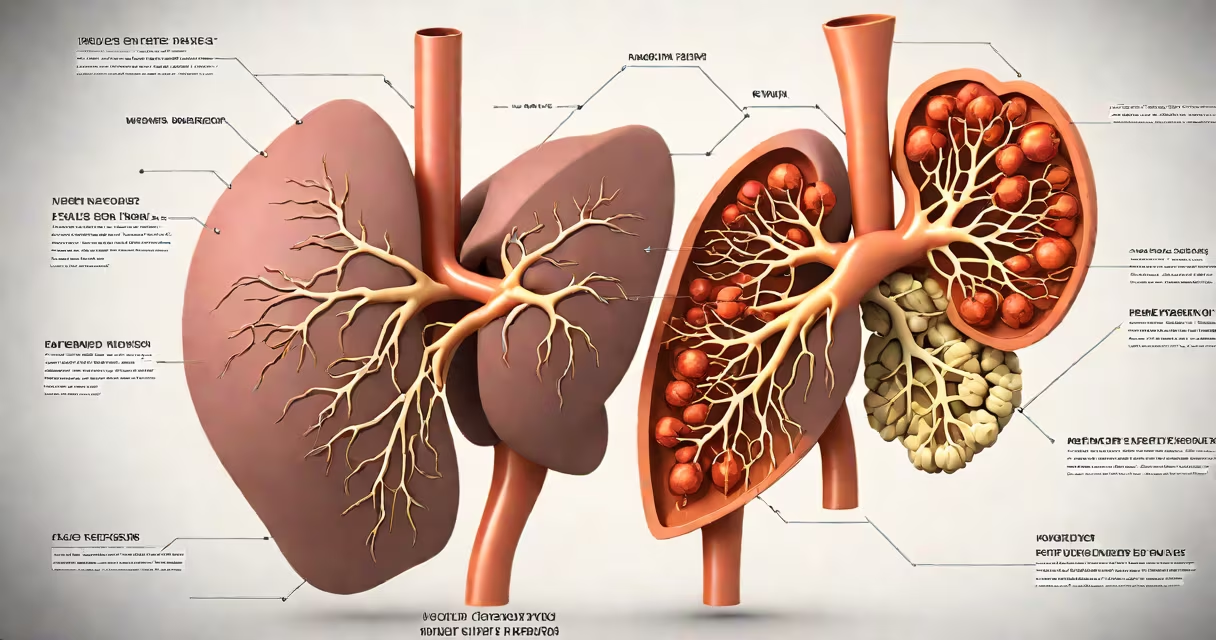
The liver and kidneys are both essential organs that filter waste from your blood, but they handle different substances and work in distinct ways. The liver processes nutrients, metabolizes drugs, and detoxifies chemicals, while the kidneys filter blood to remove waste products and excess substances.
The liver is a large, complex organ located in the upper right part of your abdomen. It performs over 500 important functions, including:
One key function is detoxification. The liver converts ammonia, a byproduct of protein metabolism, into urea, which the kidneys then excrete. It also processes other toxins, such as alcohol and certain drugs, breaking them down so they can be safely eliminated from the body.
The kidneys are two bean-shaped organs located on either side of the spine. Their primary function is to filter blood, removing waste products and excess substances like sodium, potassium, and water. This process produces urine, which is stored in the bladder before being excreted.
Each kidney contains about a million tiny filtering units called nephrons. These nephrons filter about 200 liters of blood daily, removing waste and excess substances while returning needed ones, like glucose and amino acids, to the bloodstream.
| Function | Liver | Kidneys |
|---|---|---|
| Primary Waste Products | Ammonia, bilirubin, drugs, toxins | Urea, creatinine, uric acid, excess electrolytes |
| Filtration Process | Chemical processing and detoxification | Mechanical filtration through nephrons |
| Output | Bile (into the intestines) | Urine (into the bladder) |
While the liver and kidneys share the goal of filtering waste, they work together in a complementary way. The liver processes and detoxifies substances, converting them into forms the kidneys can excrete. For example, the liver converts ammonia into urea, which the kidneys then filter out of the bloodstream.
If either organ fails, it can lead to serious health issues. Liver failure can cause a buildup of toxins in the blood, leading to hepatic encephalopathy, a condition that affects brain function. Kidney failure can result in the accumulation of waste products in the blood, leading to uremia, a condition that can be life-threatening.
Many people believe that the liver and kidneys perform the same functions. However, this is not true. While both organs are involved in filtration, they handle different substances and work in distinct ways. The liver processes nutrients, metabolizes drugs, and detoxifies chemicals, while the kidneys filter blood to remove waste products and excess substances.
For instance, the liver produces bile, which helps digest fats, while the kidneys produce urine, which removes waste products from the body. Understanding these differences is important for maintaining health and preventing potential health issues.
Regular check-ups with a healthcare provider can help detect any potential issues early. Blood tests can measure levels of certain substances, such as albumin for liver function and creatinine for kidney function, providing valuable insights into the health of these important organs.